
Why Everyone's Packing This $30 Camera Detector for Airbnb

You know that feeling when you first walk into an Airbnb? The thrill of a new space, the possibility of adventure, and then... that tiny nagging voice in your head asking, "Is someone watching me?" Yeah, you're not paranoid. And you're definitely not alone.
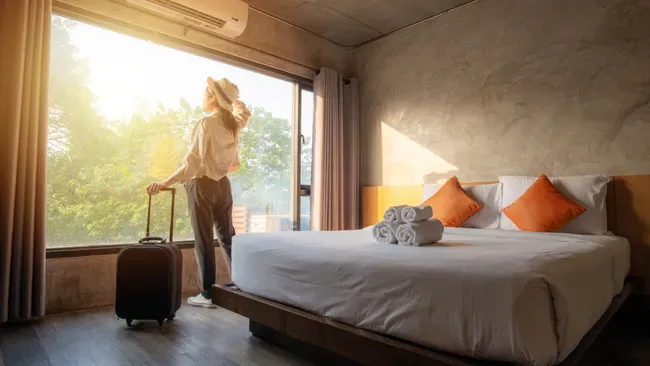
Travelers are packing a new essential in their carry-ons in 2026, and it's not another charging cable or neck pillow. It's a pocket-sized hidden camera detector that costs about as much as dinner out, and it's becoming as non-negotiable as your passport. Let's talk about why this little gadget is having a moment, and whether you actually need one.
The Problem No One Wants to Talk About
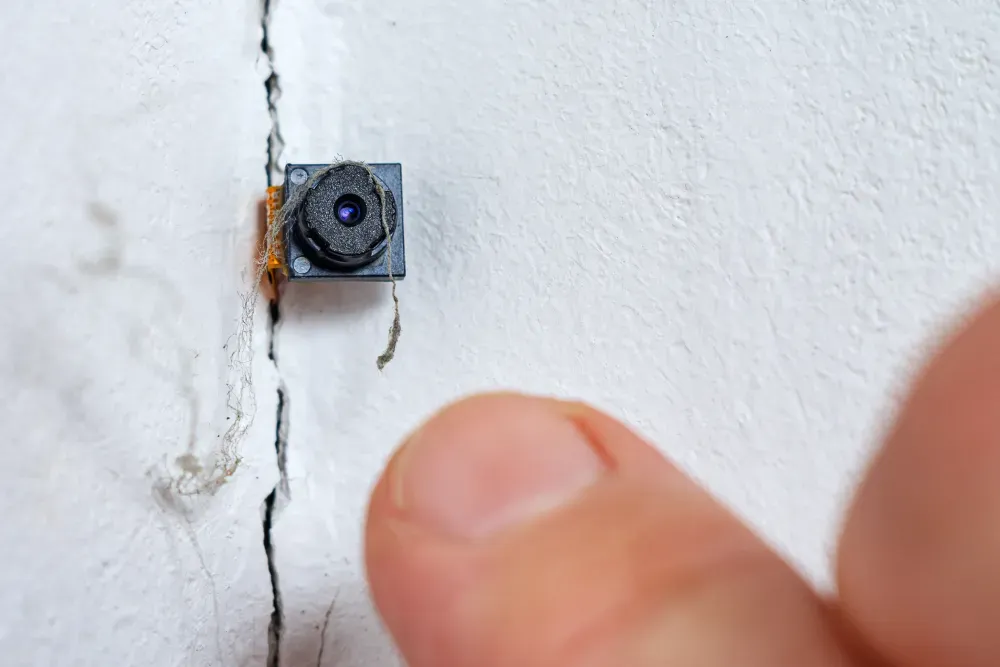
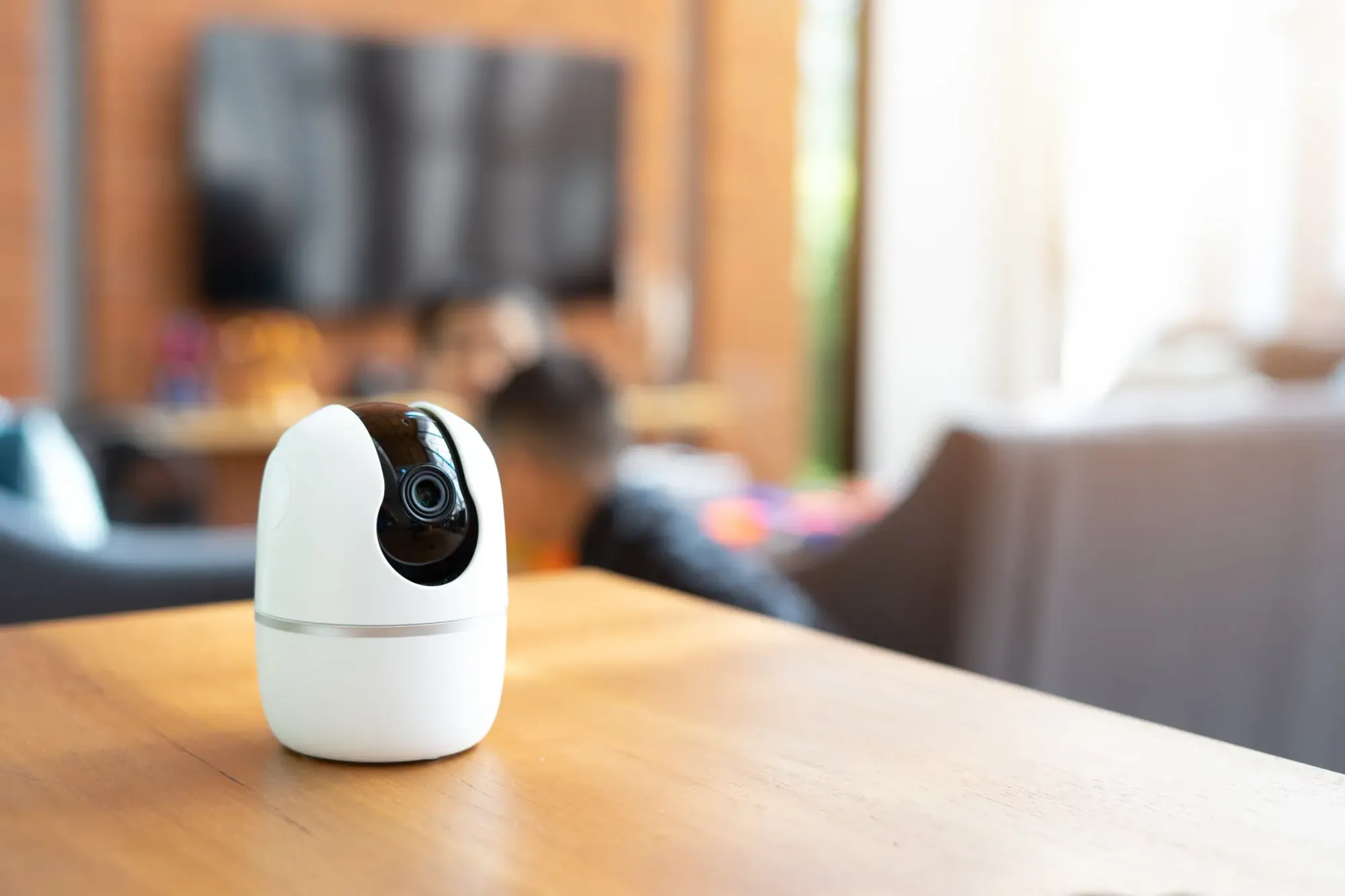
Here's the uncomfortable truth: hidden cameras in short-term rentals are a real thing. Not everywhere, and probably not most places, but enough that it's gone from urban legend to genuine travel concern. We're talking cameras tucked into smoke detectors, clock radios, air purifiers, even those innocent-looking phone chargers by the bed.
The worst part? Modern spy cameras have gotten ridiculously sophisticated and alarmingly cheap. Some are wireless and transmit footage in real-time. Others are so small they're nearly impossible to spot with the naked eye. And while reputable platforms like Airbnb have policies against undisclosed cameras in private spaces, enforcement relies on discovery, which usually comes too late.
That's where these detectors come in. They're designed to find what you can't see.
What Actually Makes These Detectors Work
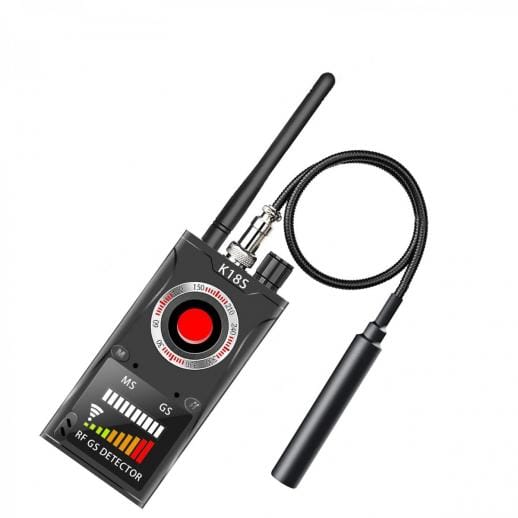
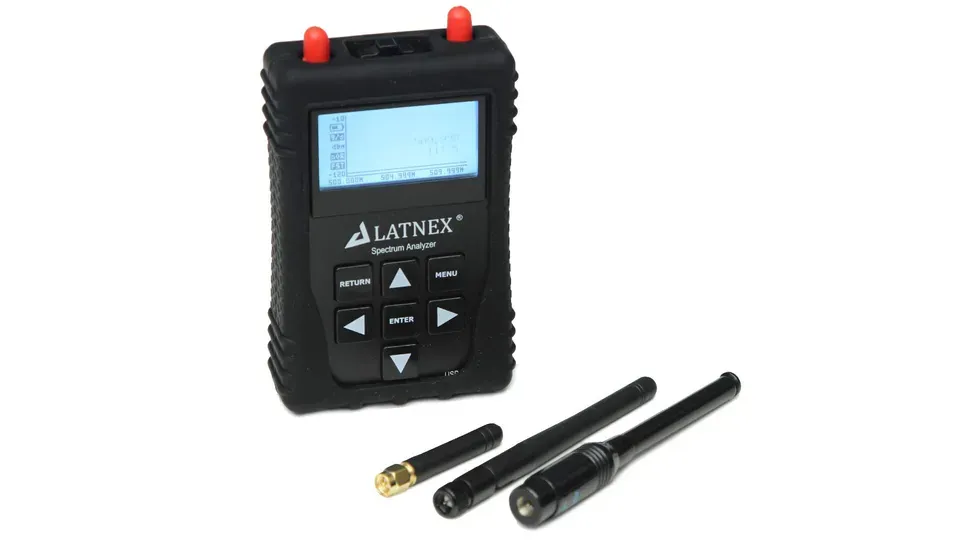
The devices getting the most buzz right now, like the JMDHKK K18 and similar models in the $30-$50 range, combine multiple detection methods into one compact tool. Think of it as a multi-tool for privacy.
First, there's RF (radio frequency) detection. Most wireless cameras and bugs emit RF signals to transmit data. These detectors scan frequencies typically between 1 MHz to 6.5 GHz, picking up those signals and alerting you with LED lights or beeps. The closer you get to the source, the stronger the signal. It's surprisingly intuitive once you get the hang of it.
Second, many include infrared lens finders. You activate a set of red LED lights on the detector and look through a viewfinder while scanning the room. Hidden camera lenses reflect the infrared light back at you as a distinct glint, even if the camera itself is cleverly disguised or turned off.
Some models, like the K18, also include magnetic probes to detect GPS trackers, which is a nice bonus if you're concerned about more than just cameras.
According to testing by Digital Camera World and independent reviewers on YouTube, budget detectors excel at finding signal-emitting devices but can struggle with wired cameras or those that only record locally without transmitting. That's why you pair electronic detection with good old-fashioned visual inspection of suspicious objects.
The Real-World Performance: What Works and What Doesn't
I'm not going to tell you these $30 gadgets are magic wands. They have limitations, and you should know them before you buy.
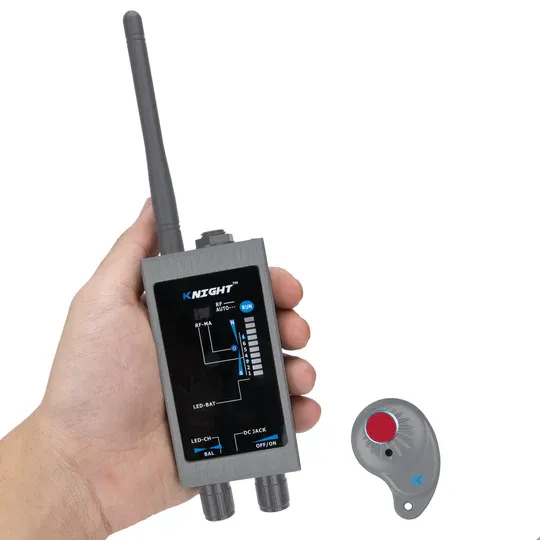
The good news: In real-world testing, devices like the K18 have proven reliable for detecting active wireless cameras, RF bugs, and GPS trackers. Users report successful sweeps in Airbnbs and hotel rooms, finding everything from baby monitors left on to actual hidden surveillance equipment. The RF detection is genuinely accurate within its advertised range, and the magnetic probe works as promised for trackers.
The reality check: These budget detectors can give false positives. WiFi routers, Bluetooth speakers, even your own phone can trigger alerts. You'll need to use some judgment and adjust the sensitivity settings. They're also slower for full-room scans compared to professional-grade equipment, and they'll miss cameras that don't emit signals, like battery-powered units that only record locally or wired cameras without wireless transmission.
As Consumer Reports notes in their travel safety product testing, no detector is 100% foolproof. The smart approach combines technology with manual inspection of common hiding spots like smoke detectors, electrical outlets, picture frames, and anything with a inexplicable view of the bed or bathroom.
How to Actually Use One of These Things
Let's get practical. You've just arrived at your Airbnb, bags dropped, and you're ready to do a sweep. Here's the efficient approach:
- Charge it fully before your trip. Most use USB-C now and hold a charge for multiple sweeps.
- Start with RF detection. Turn on the detector, set sensitivity to medium, and slowly walk through each room. Pay special attention to areas facing beds, bathrooms, and changing areas.
- Investigate strong signals. As LEDs light up or beeps intensify, narrow down the source. Remember to account for legitimate devices like routers or smart home hubs.
- Use the lens finder in dim lighting. Turn off the lights, activate the IR LEDs, and scan through the viewfinder. Look for tiny reflective glints from camera lenses.
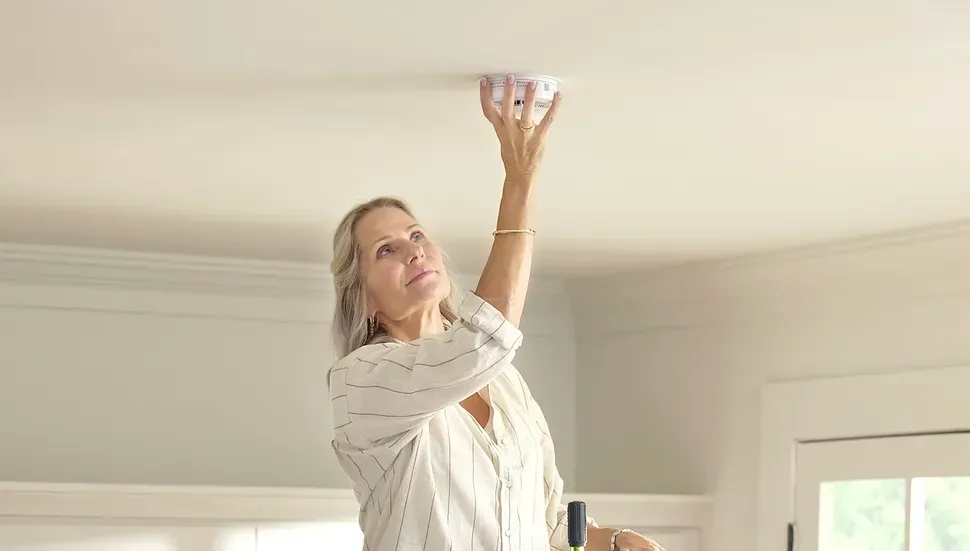
- Check the obvious spots manually. Smoke detectors, clocks, USB chargers, air purifiers, picture frames, mirrors, and anything positioned oddly.
The whole process takes maybe 10-15 minutes once you've done it a couple times. It becomes second nature, like checking the locks or setting the thermostat.
Is It Actually Worth $30?
Here's my take: for the price of a mediocre lunch, you're buying genuine peace of mind. That's the value proposition.
Could you stay in a hundred Airbnbs and never encounter a hidden camera? Absolutely. But the moment you're undressing or having private conversations in a rental, you're vulnerable. And once trust is broken, it's not something you can un-know.
According to SpyCentre Security's 2026 reviews, entry-level detectors like the JMDHKK K18 (around $40-48) and similar models at the $33-50 price point deliver reliable performance for casual travelers. You're not getting military-grade counter-surveillance equipment, but you're getting functional RF detection, lens finding, and tracker detection in a package small enough to toss in your toiletry bag.
The people who benefit most are frequent Airbnb users, solo travelers (especially women), business travelers staying in unfamiliar locations, and anyone who's read one too many privacy horror stories and decided "not me, not today."
The Bigger Picture
What's interesting is that these detectors represent a shift in how we think about travel safety. We've normalized TSA-approved locks, RFID-blocking wallets, and portable door locks. Privacy detection tech is just the next logical step.
The fact that affordable options exist means protection isn't just for the ultra-paranoid or security professionals anymore. It's democratized. Anyone can do a sweep. That's powerful.
Does it solve the root problem of creeps installing cameras? No. But it shifts the power dynamic. It makes surveillance harder. It adds a layer of defense. And sometimes, that's enough to deter bad actors or at least catch them faster.
The Bottom Line
Should everyone pack a hidden camera detector for Airbnb stays? Not everyone. But if privacy matters to you, if you travel frequently, if you've ever felt that uneasy "something's off" sensation in a rental, then $30-40 is a small price for confidence.
The JMDHKK K18 and similar budget detectors aren't perfect, but they're effective enough for real-world use. They find what they're designed to find, and they're accessible enough that you don't need a degree in counter-surveillance to operate them.
Pack it, use it, and then hopefully never think about it again. That's the best-case scenario. But if it ever does alert you to something genuinely concerning, you'll be glad you had it.
Because at the end of the day, your privacy isn't negotiable. And in 2026, protecting it fits in your pocket.