Americans Could Soon Distill Spirits at Home
The Law That Outlived Its Purpose Is Finally on Trial
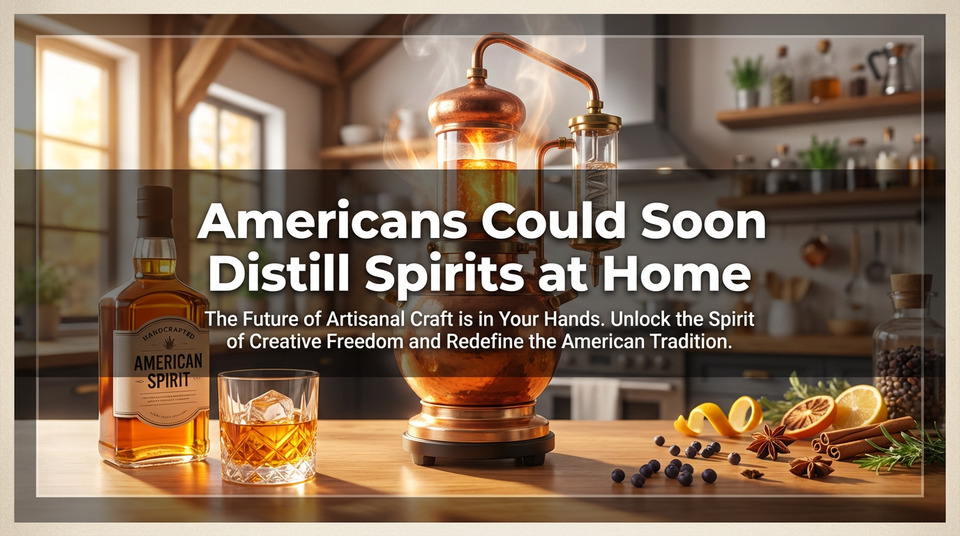
If you have ever stood in a craft distillery tasting room, swirled a small-batch bourbon, and thought, "I wonder if I could make something like this at home," you are not alone. Millions of Americans have had that thought. And for 158 years, a Reconstruction-era federal law has had one clear answer: absolutely not. But as of April 10, 2026, that answer is no longer so certain.
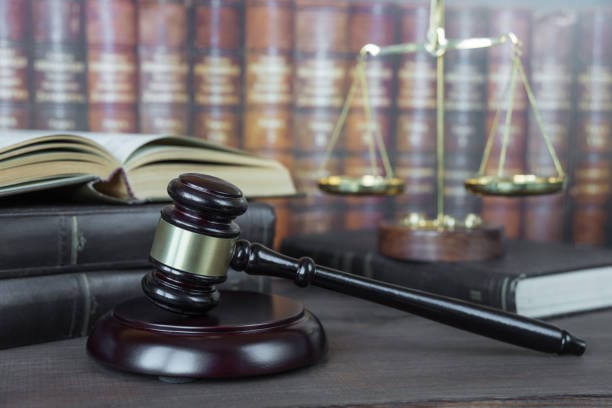
The U.S. Court of Appeals for the Fifth Circuit has struck down an 1868 federal statute that banned home distillation of spirits, ruling it unconstitutional in a landmark case, McNutt v. U.S. Department of Justice. This is not a drill, and it is not a loophole. It is a genuine legal earthquake for anyone who cares about craft spirits, cocktail culture, and the freedom to pursue the perfect pour on your own terms.
A Law Born in the Shadow of the Civil War
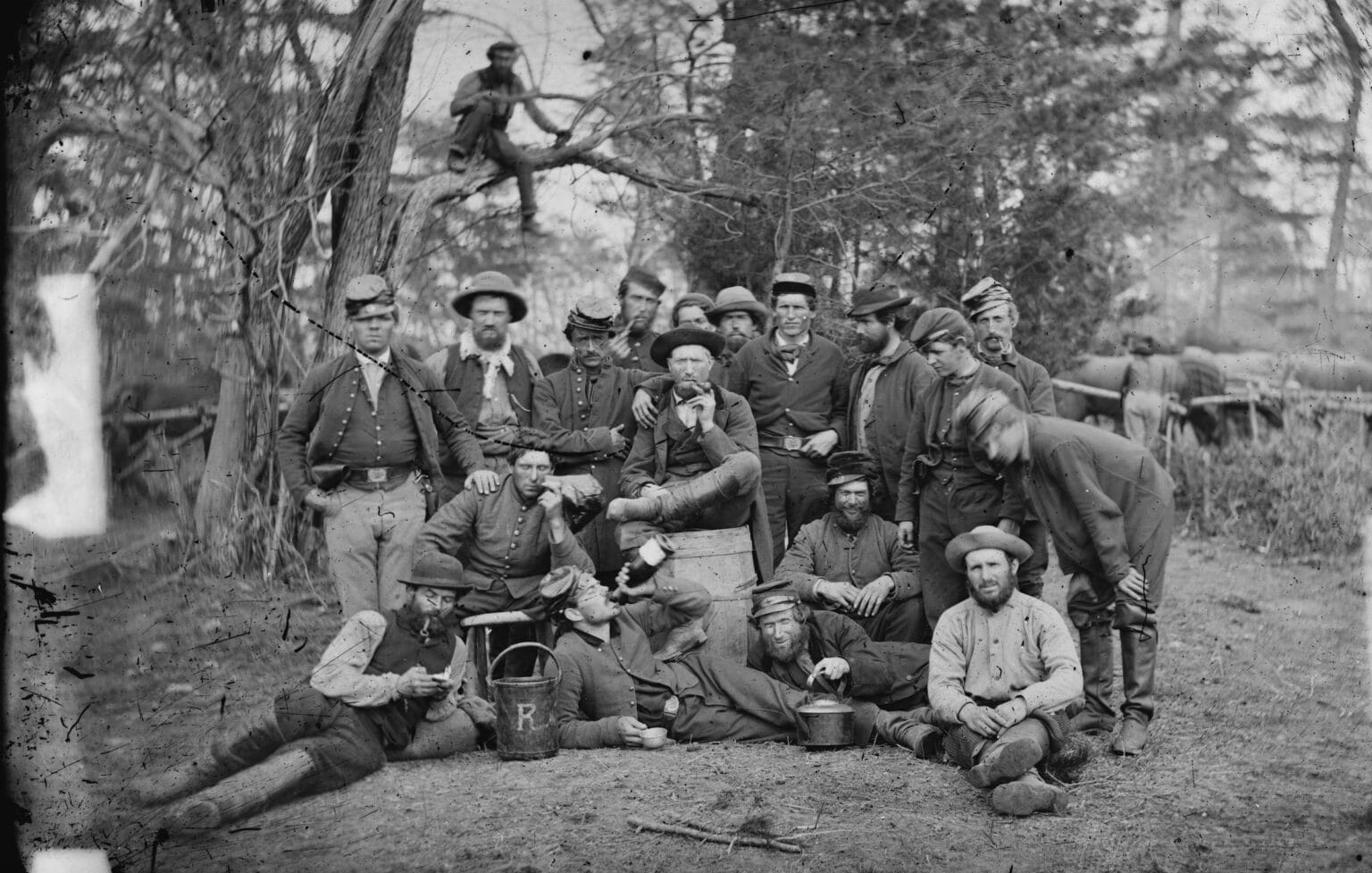
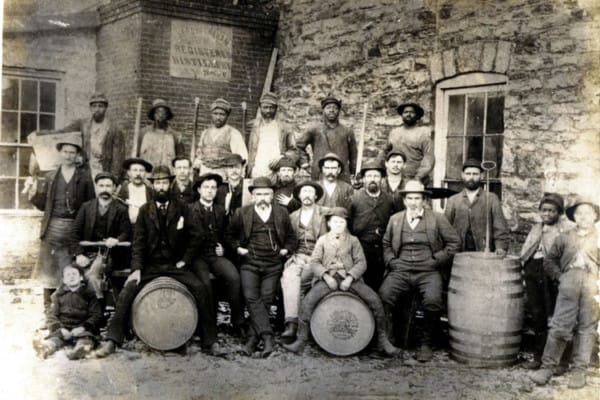
To understand why this ruling matters, you have to understand why the law existed in the first place. The year was 1868. The Union had just survived a catastrophic war, and the federal government was desperately in need of revenue. Congress passed the Revenue Act, which established an excise tax on distilled spirits and, crucially, banned home distilleries outright. The logic was simple: if you cannot make it at home, you cannot dodge the tax on it.
The problem? That logic calcified into permanent prohibition long after the revenue justification had faded. As noted in the Volokh Conspiracy at Reason, the Fifth Circuit found that the law had effectively become an "anti-revenue provision" rather than a genuine tax measure. Using the framework established by NFIB v. Sebelius (2012), the court determined that Congress cannot use its taxing power to simply prevent something from existing. A tax regulates. This law eliminated. There is a meaningful difference, and the court finally said so.
What the Court Actually Decided
Let us be precise here, because the details matter enormously. The Fifth Circuit's ruling, available in full from the court, strikes down 26 U.S.C. sections 5178(a)(1)(B) and 5601(a)(6), the specific provisions that prohibited distilleries in dwellings, sheds, yards, and enclosures connected to private homes. The court upheld a July 2024 district court ruling by U.S. District Judge Mark Pittman in Fort Worth, Texas, who had already found the law unconstitutional but placed his ruling on hold pending appeal.
Critically, the ruling applies within the Fifth Circuit's jurisdiction: Texas, Louisiana, and Mississippi. It does not automatically legalize home distilling across the entire country. The federal Alcohol and Tobacco Tax and Trade Bureau (TTB) has not yet issued permits for home distillation, and enforcement outside the Fifth Circuit remains a real consideration. As reported by The Washington Times, the government could escalate this to the Supreme Court or pursue a new legislative strategy via the Commerce Clause, which was notably not argued on appeal.
In short: do not fire up a copper pot still in your garage just yet. But do pay very close attention to what happens next.
Why This Matters to the Discerning Drinker
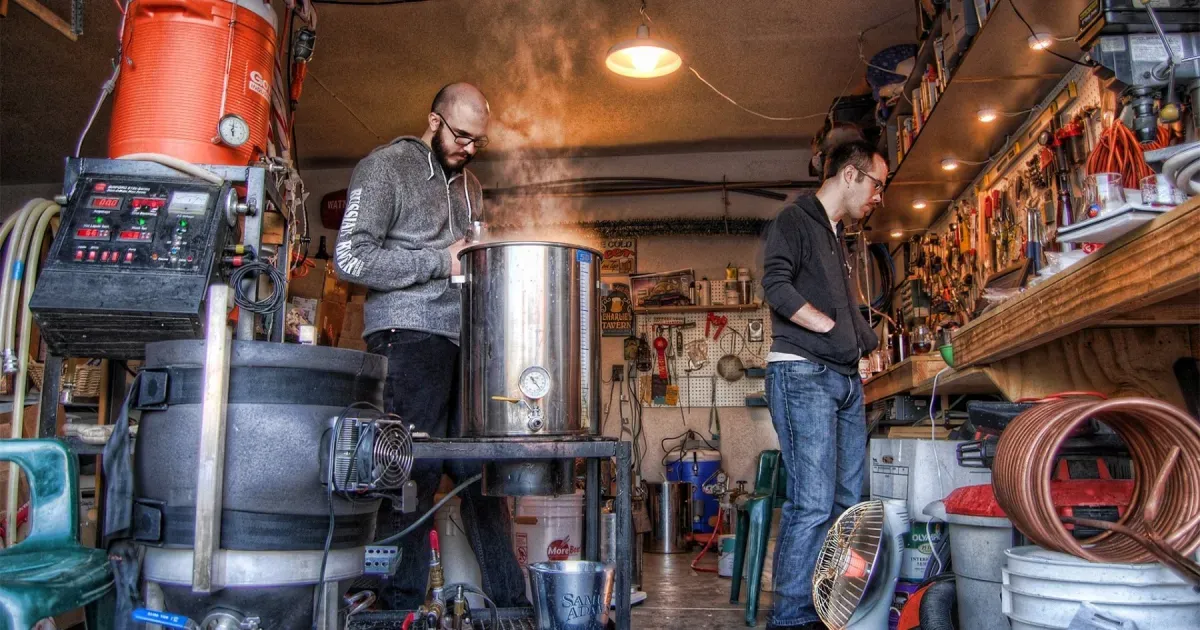
Here is where the story gets genuinely exciting for anyone who cares about the culture of fine spirits. Consider what happened when homebrewing beer was federalized as legal in 1978 under President Carter. Within a generation, the United States went from a handful of commercial breweries to thousands of craft operations. The hobbyists became the pioneers. The garage experiments became the taprooms. The passion became the industry.
Home distilling, if it gains full legal footing, could catalyze a similar revolution for spirits. Bourbon enthusiasts who have spent years studying grain bills, fermentation science, and barrel char levels could finally test their theories. The same intellectual curiosity that drives someone to collect single malts or obsess over cocktail ratios is exactly the disposition that produces great distillers. Regulation and taxation frameworks would still apply, of course, and that is appropriate. But the categorical ban on even attempting the craft at home has long been a blunt instrument in a world that deserves a finer one.
The Craft Spirits Industry: Threat or Opportunity?
Some established craft distillers may view this development with a raised eyebrow. After all, they have invested heavily in licensed facilities, compliance infrastructure, and brand building. A wave of home distillers does not immediately threaten that investment, but it does change the landscape.
The more optimistic and historically supported view is that home distilling would grow the overall category. When people brew their own beer, they do not stop buying craft beer. They buy more of it, with greater appreciation and discernment. The same dynamic would almost certainly apply to spirits. A home distiller who spends a weekend trying to produce a clean new-make whiskey will have an entirely new respect for what a master distiller at a respected Kentucky or Scottish operation achieves consistently, at scale, over decades.
That is not competition. That is education. And education creates connoisseurs.
What Comes Next: A Timeline to Watch
- Supreme Court Review: The Department of Justice may petition for certiorari. If the Supreme Court takes the case, the Fifth Circuit ruling could be affirmed, reversed, or complicated further.
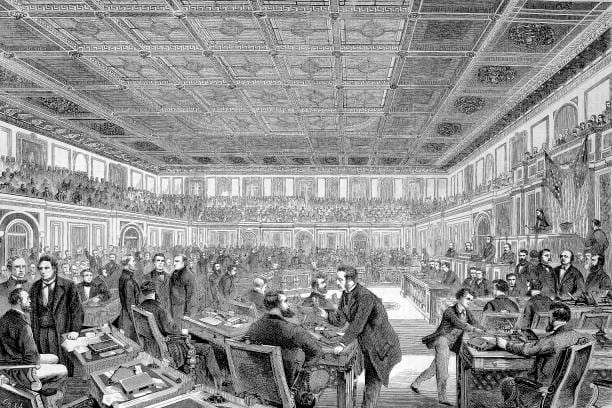
- Congressional Response: Congress could attempt to re-legislate the ban under the Commerce Clause, which the government conspicuously did not invoke during the Fifth Circuit appeal.
- TTB Policy Shifts: The Alcohol and Tobacco Tax and Trade Bureau may be compelled to revisit its permitting framework for home distillation, potentially creating a pathway similar to homebrewing registrations.
- State-Level Action: Individual states, many of which have their own prohibitions on home distilling, may begin legislative debates of their own as the federal picture clarifies.

The Bottom Line for the Passionate Palate
This ruling is not permission to start distilling tonight. It is, however, the most significant crack in a 158-year-old wall that most Americans did not even know existed. The conversation about home distilling is now a legitimate legal and cultural debate rather than a fringe curiosity. That matters.
For those of us who believe that understanding how something is made deepens our appreciation of it, this moment is worth celebrating with a well-chosen glass. Pour something worthy of the occasion. A small-batch bourbon, perhaps. Or a single malt with enough age to remember a world before any of this was even imaginable. Raise it to the craftspeople who built this culture, and to the possibility that more hands may soon be permitted to join them.
The still is warming. The future is not yet clear. But it has never smelled more interesting.