Tesla is Finally Adopting Apple CarPlay
The Integration We Have Been Waiting For
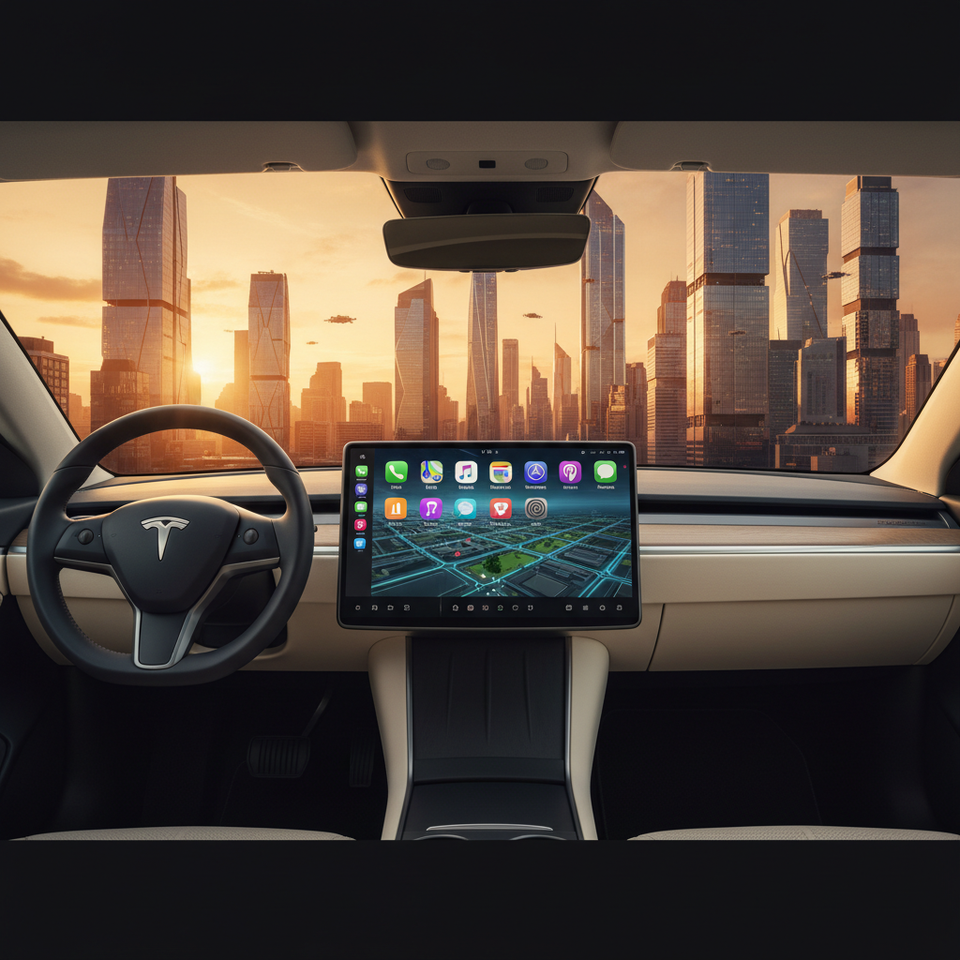
<This is the next big thing for the EV world. For years, Tesla has operated as a walled garden, forcing users into a proprietary ecosystem that, while powerful, often felt disconnected from the mobile hardware we carry every day. The shift toward Apple CarPlay is not just a software update; it is a fundamental pivot in how Tesla views the user experience.
Solving the Ecosystem Friction
If you have ever struggled with the latency of Bluetooth audio or the limitations of Tesla's native apps compared to the full iOS experience, you know the pain. The friction between a high performance vehicle and a fragmented mobile interface has been a long standing grievance for power users. By adopting CarPlay, Tesla is finally acknowledging that the smartphone is the primary hub of our digital lives.
Engineering the Seamless Handshake
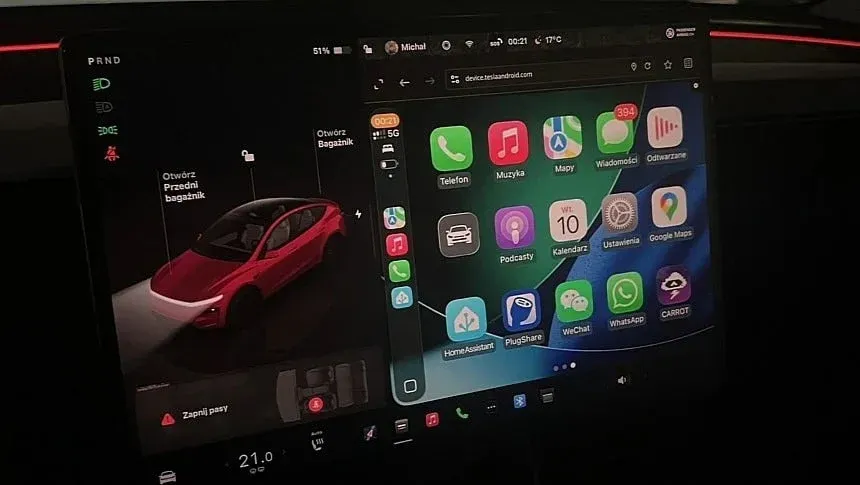
From a hardware perspective, this integration is a massive undertaking. As analyzed in <this technical overview, merging a closed software stack with Apple's standardized interface requires a complete overhaul of audio routing and display behavior. Tesla is no longer just mirroring a screen; they are integrating a secondary OS into their proprietary infotainment system without sacrificing the speed of their custom hardware.
Why This Matters for the High Tech Driver
- Unified Workflow: Your apps, notifications, and shortcuts now flow seamlessly from your iPhone to the center display.
- Superior Navigation: While Tesla maps are great, the ability to use Apple Maps or Google Maps with full iOS integration is a game changer.
- Hardware Synergy: The synergy between Apple's Silicon and Tesla's compute power creates a lag free environment that feels native.
This move transforms the Tesla cabin from a standalone gadget into a fully integrated node of the Apple ecosystem. For the luxury car owner, this is the missing piece of the puzzle.