Will Google’s New AI Glasses Finally Kill the Smartphone?
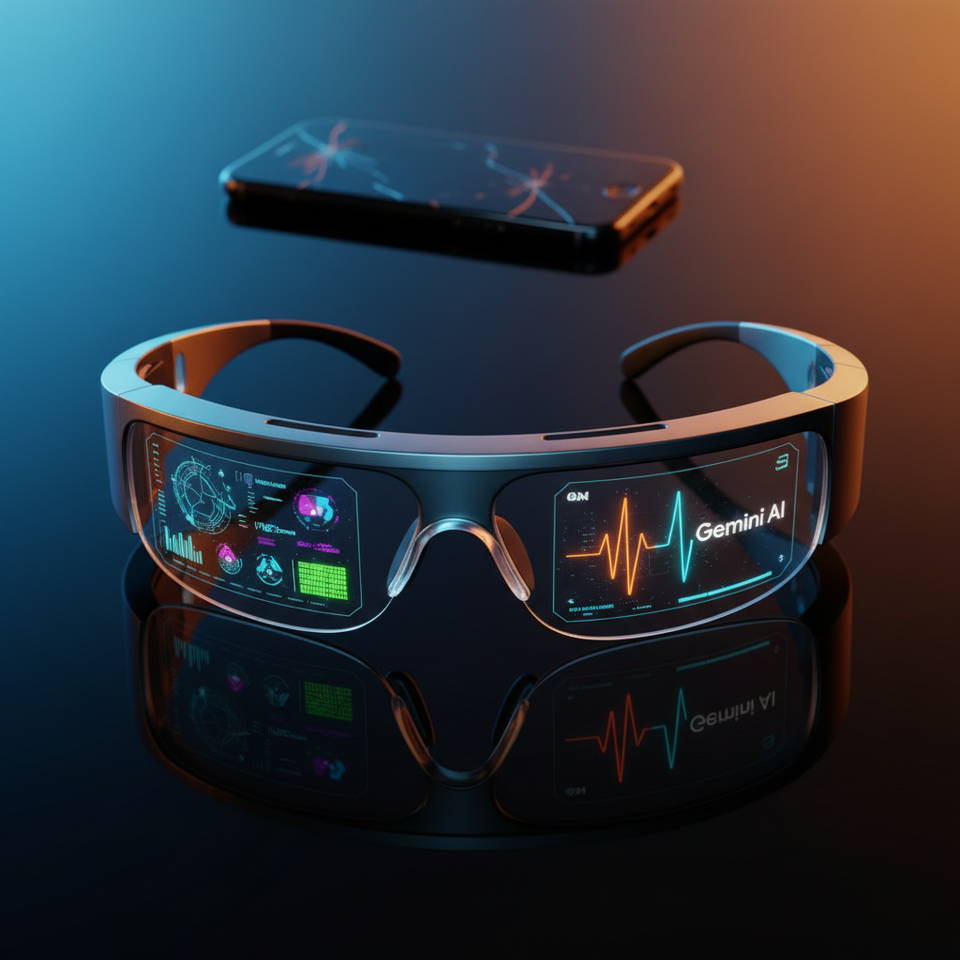
This is the next big thing. For years, we have been tethered to glowing rectangles in our pockets, constantly breaking our flow to check a notification or look up a map. But the paradigm is shifting. With the arrival of Android XR and the integration of Gemini AI, Google is attempting to move the interface from your palm to your field of vision.
The End of the Screen Era?
The dream has always been ambient computing: technology that exists around us rather than in front of us. We have all felt the friction of the smartphone experience, from the awkward fumbling during a commute to the social disconnect of staring at a screen during a conversation. Google's new AI glasses aim to solve this by bridging the gap between digital data and physical reality.
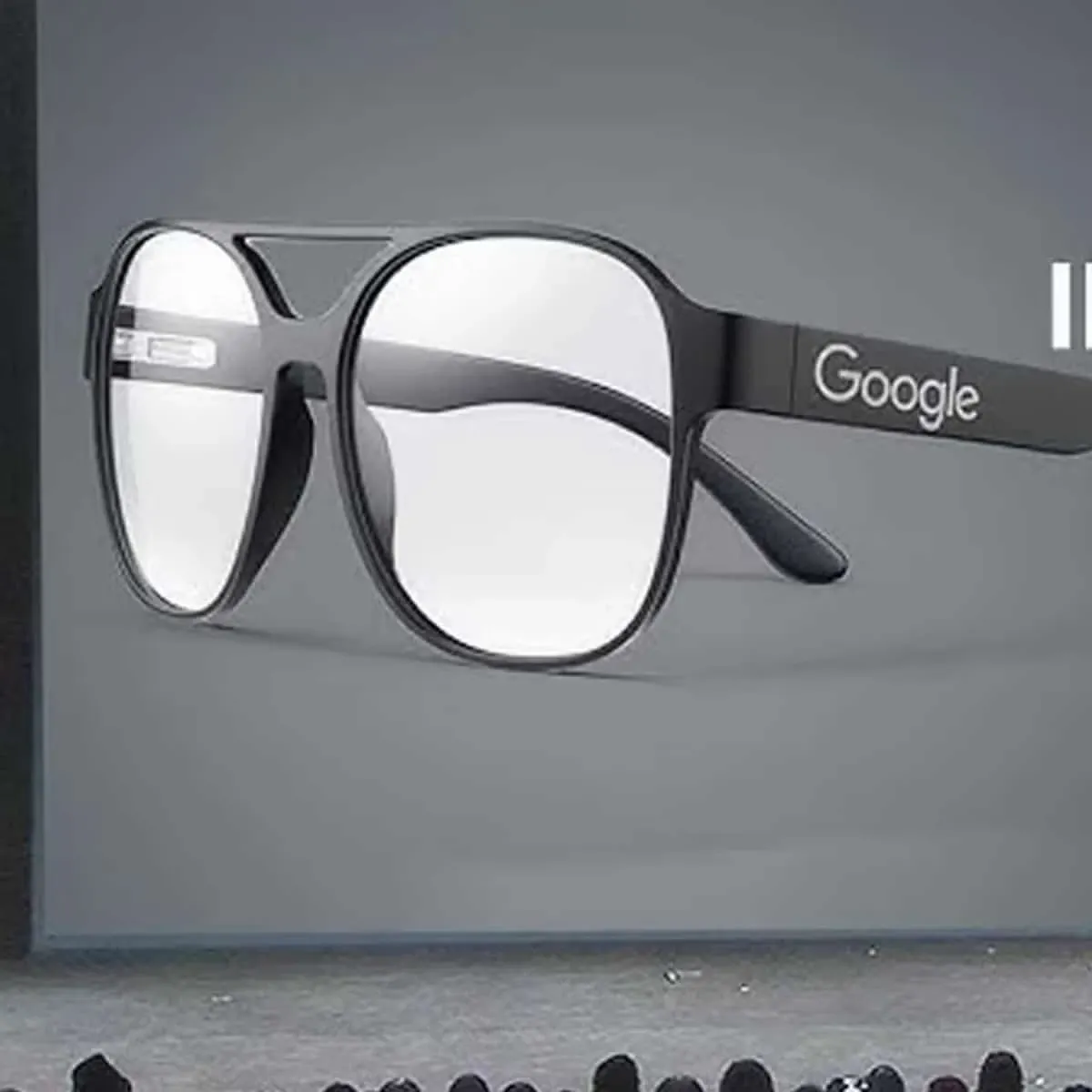
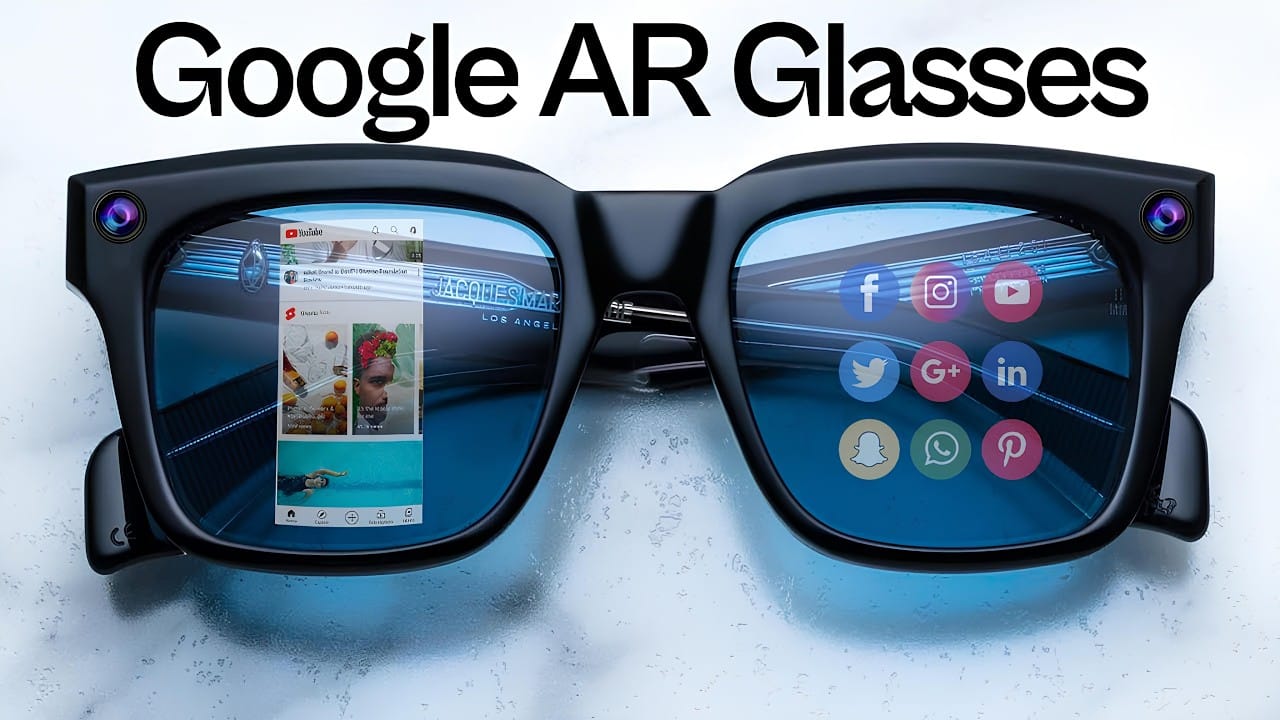
By leveraging Android XR, these glasses aren't just another accessory; they are a spatial computing platform. When you combine this with Gemini AI, you get a device that doesn't just display information, but understands your context. Imagine walking through a foreign city and seeing live translations overlaid on street signs, or receiving a subtle prompt about a colleague's name as they walk toward you, all powered by multimodal AI that sees what you see.
The Specs That Actually Matter
As a gear obsessive, I am less interested in the marketing fluff and more interested in the hardware bottlenecks. For these glasses to actually challenge the smartphone, they must nail three critical areas:
- Thermal Management and Weight: No one wants a bulky headset that heats up their temples. The success of Android XR depends on a form factor that looks like traditional eyewear while housing a powerful NPU for on-device AI processing.
- Battery Density: AI and camera sensors are power-hungry. If these glasses require a mid-day charge, they remain a novelty. We need all-day usability to truly replace the phone.
- Gemini Integration: The AI cannot be a glorified voice search. It needs to be proactive. As noted in recent industry analysis, the value lies in multimodal context, meaning the AI should analyze your visual and auditory environment in real-time to provide utility without being prompted.
The Competition: Meta vs. Google
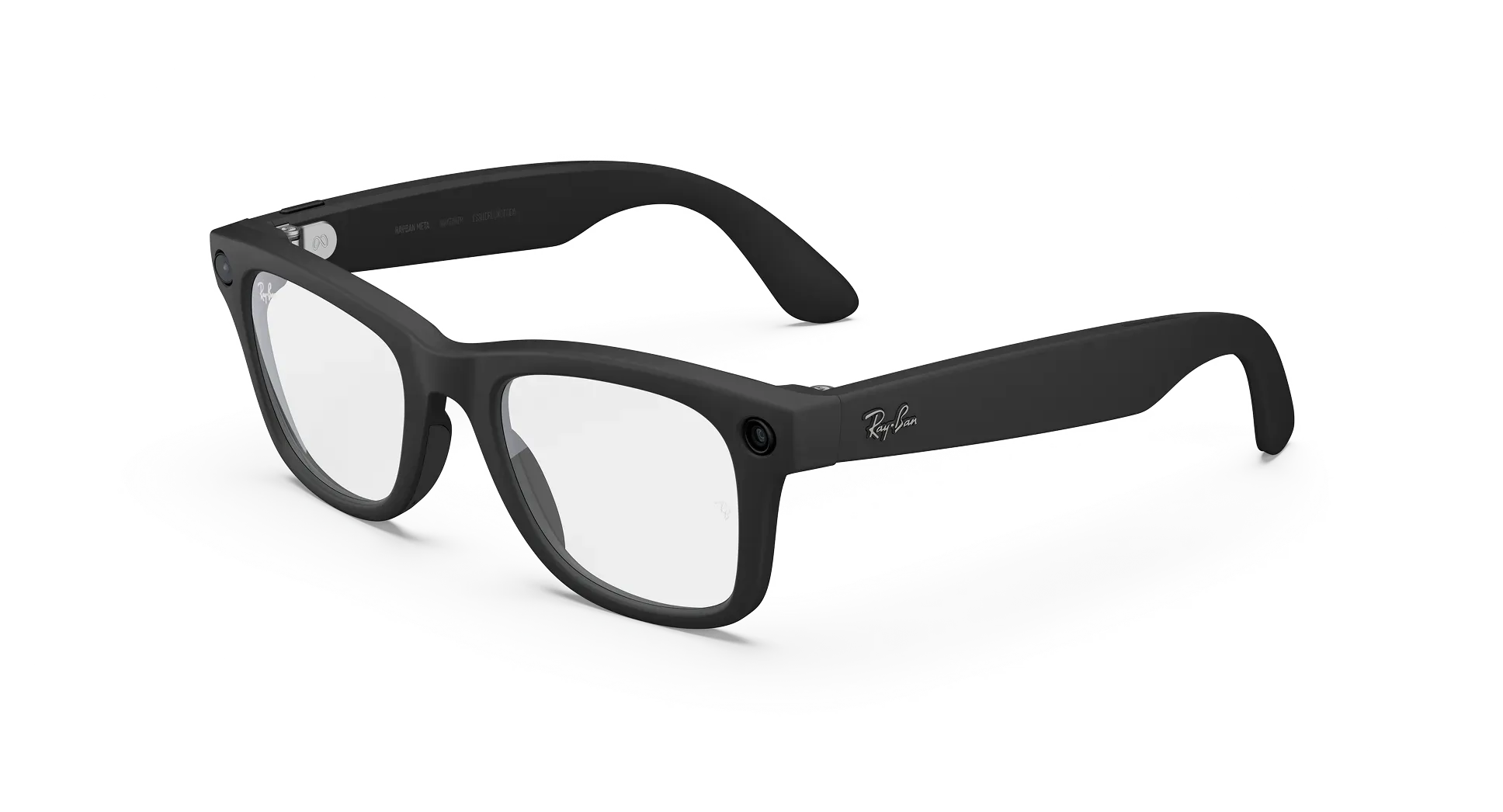
We have already seen the success of the Ray-Ban Meta glasses, which won on style and social acceptability. However, Google has a massive advantage: the ecosystem. Integration with Google Maps, Gmail, and Workspace means these glasses can pull from your actual life data, not just act as a camera with a speaker. While Meta focuses on content creation, Google is positioning Android XR as a productivity and utility powerhouse.
The Verdict: Companion or Replacement?
Will they kill the smartphone? In 2026, probably not entirely. The smartphone still wins on raw compute, screen real estate for deep work, and battery capacity. However, we are entering the era of the "companion device."
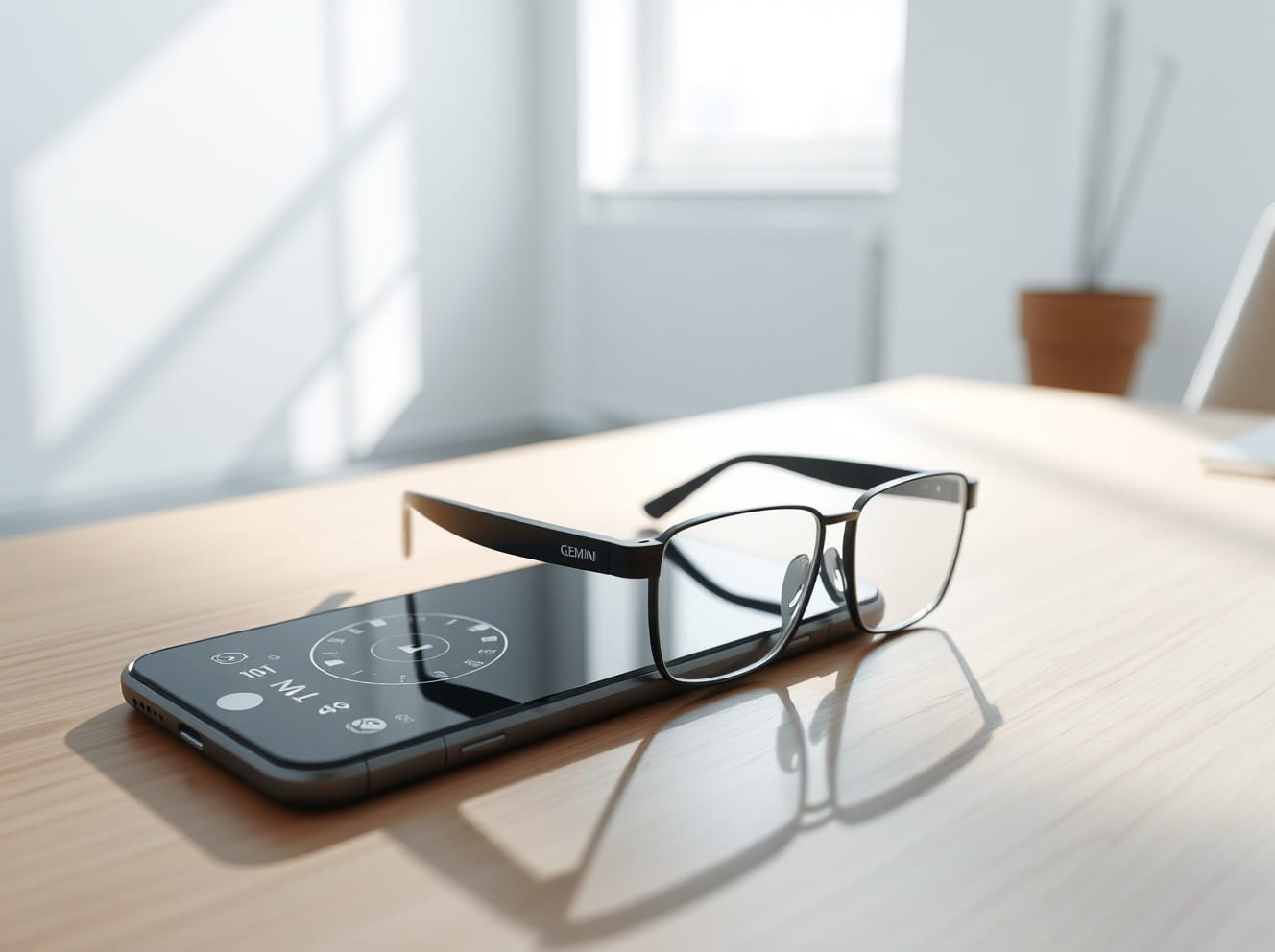
The smartphone will likely move to the background, acting as the primary processor and battery hub, while the AI glasses become the primary interface. You will stop pulling your phone out for 80 percent of your daily tasks, leaving the handheld device for long-form typing or high-resolution media consumption. This is the evolution of the wearable, and if Google nails the execution, the "screen-first" world is officially on borrowed time.