The 'One-Bag' Grail: Master the 100k-Mile Personal Item Protocol
You gotta have this skill in your arsenal if you're serious about jetting around the globe without getting nickel-and-dimed at every airport counter. I'm talking about the art of the personal item-only travel—the secret weapon of elite frequent flyers who glide past check-in desks while everyone else wrestles with oversized rollers and mounting baggage fees. And here's the kicker: you can build your entire loadout for under $50 using Amazon's hidden travel storefront that most people completely overlook.
Let me be real with you—this isn't about deprivation or showing up to your destination looking like you crawled out of a hostel. This is about strategic maximalism within minimalist constraints. It's about understanding that the difference between amateur travelers and seasoned road warriors isn't how much they pack, but how intelligently they pack.
The Pain Point We're All Living
Baggage fees have become absolute highway robbery. We're talking $35-$70 per checked bag, each way, on most major carriers in 2026. That's potentially $140 tacked onto your ticket price before you even think about seat selection or in-flight snacks. Meanwhile, your personal item—that magical under-seat space—flies completely free on virtually every airline. The math is simple, but the execution? That's where most travelers fumble.
The frustration is universal: you want to travel light, but you also want options. You need your tech, your toiletries, outfit versatility, and maybe even room for souvenirs on the return flight. Seems impossible in a bag that fits under the seat in front of you, right? Wrong.
The Game-Changing Hacks That Frequent Flyers Swear By
Let's break down the insider protocol that seasoned minimalist travelers have perfected over hundreds of thousands of miles:
1. The Pack-and-Ditch Method
This is pure genius and it's criminally underutilized. Bring your oldest, most tired clothes, underwear, and socks with the explicit plan to throw them away as you go. As expert packers note, this ultimate hack lightens your load progressively and eliminates the nightmare of stinky laundry festering in your tiny bag. You leave home with a full personal item and return with room to spare for those impulse purchases. It's the travel equivalent of eating your vegetables so you have room for dessert.
2. Packing Cubes: Your Spatial Tetris Solution
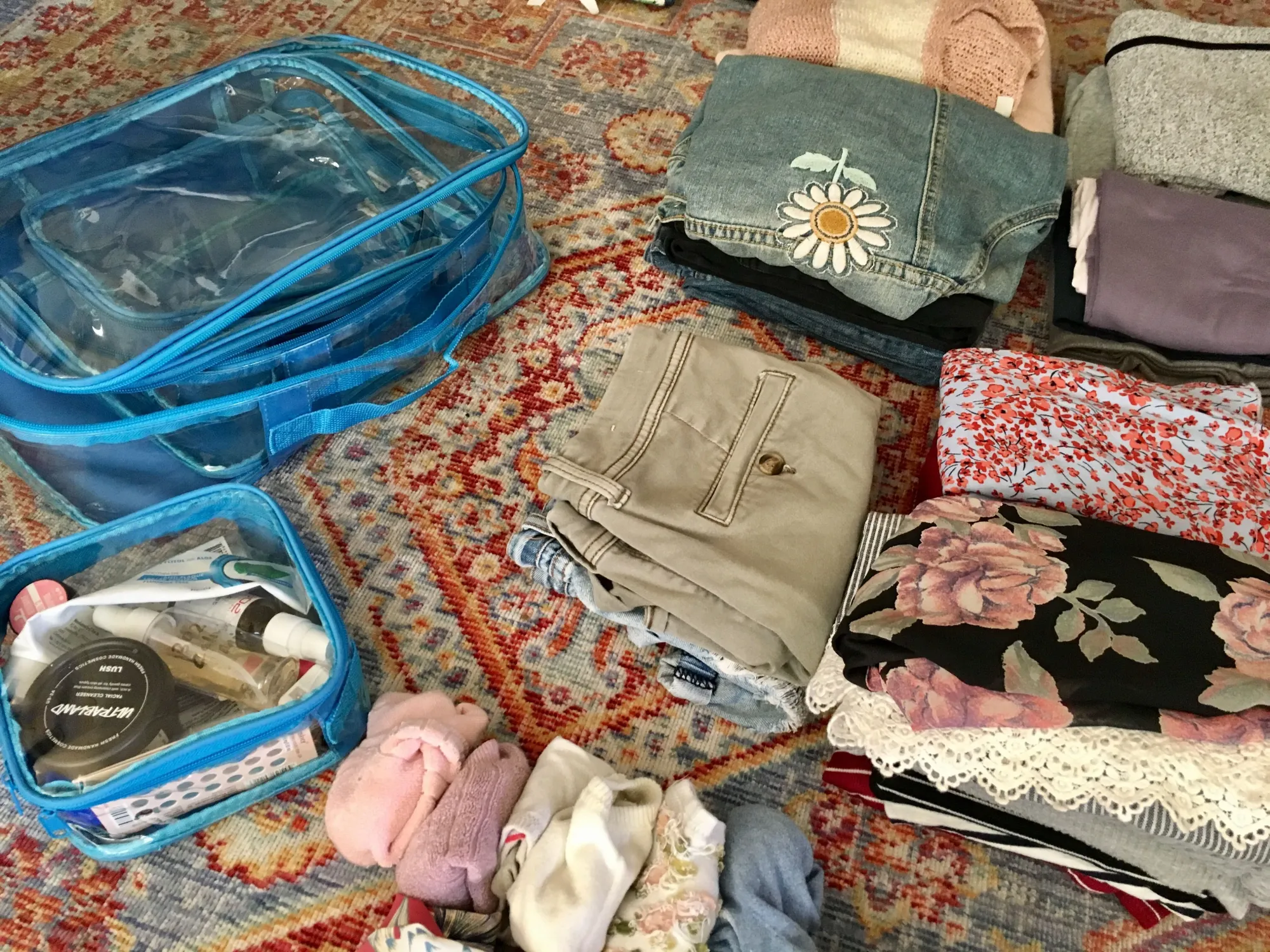
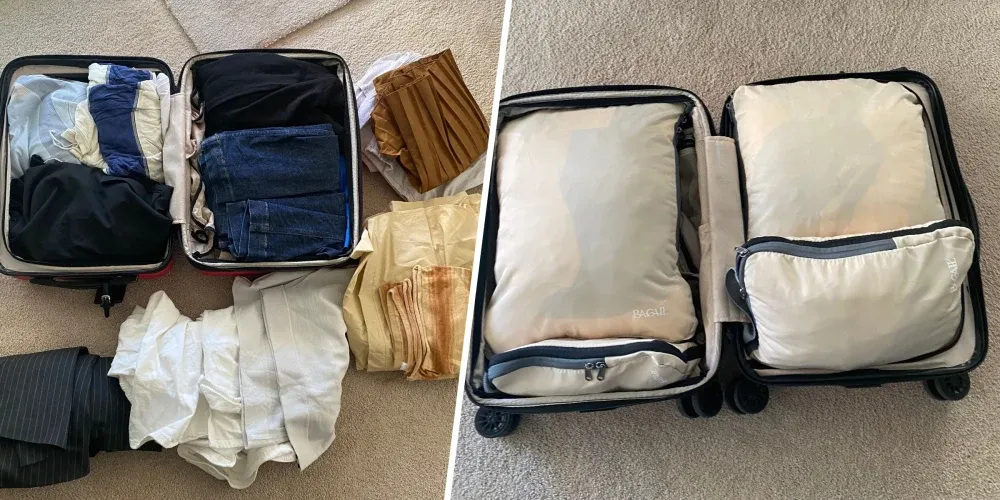
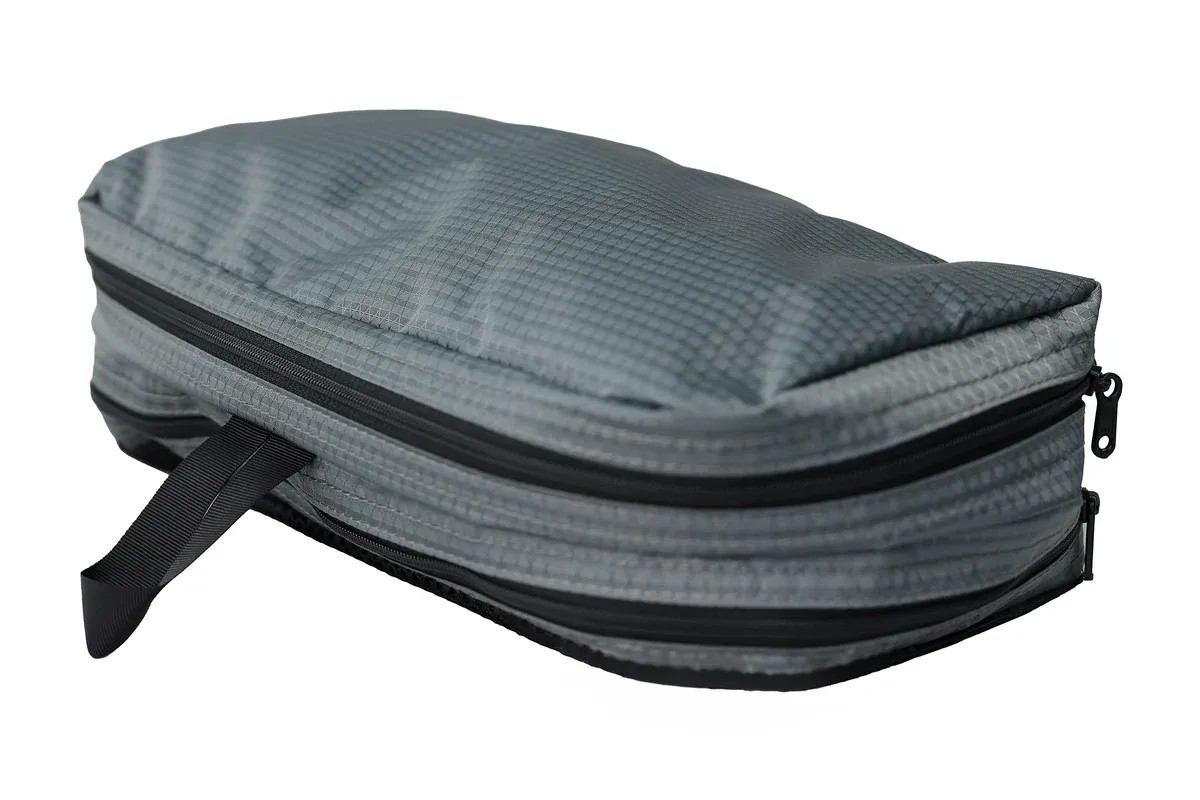
If you're not using packing cubes in 2026, you're essentially trying to win a Formula 1 race on a bicycle. These organizational marvels transform chaos into compact, stackable perfection. Travelers rave about how cubes let them corral everything from shoes to kids' toys while preventing the dreaded security line rummage. Roll your clothes, slot them into cubes, and suddenly you're fitting a week's worth of outfits into a space that previously held three days' worth of wrinkled chaos.
Amazon has compression packing cubes for as low as $8-12 that perform nearly identically to premium brands. Look for sets with mesh tops so you can identify contents at a glance.
3. Wear Your Bulkiest Items
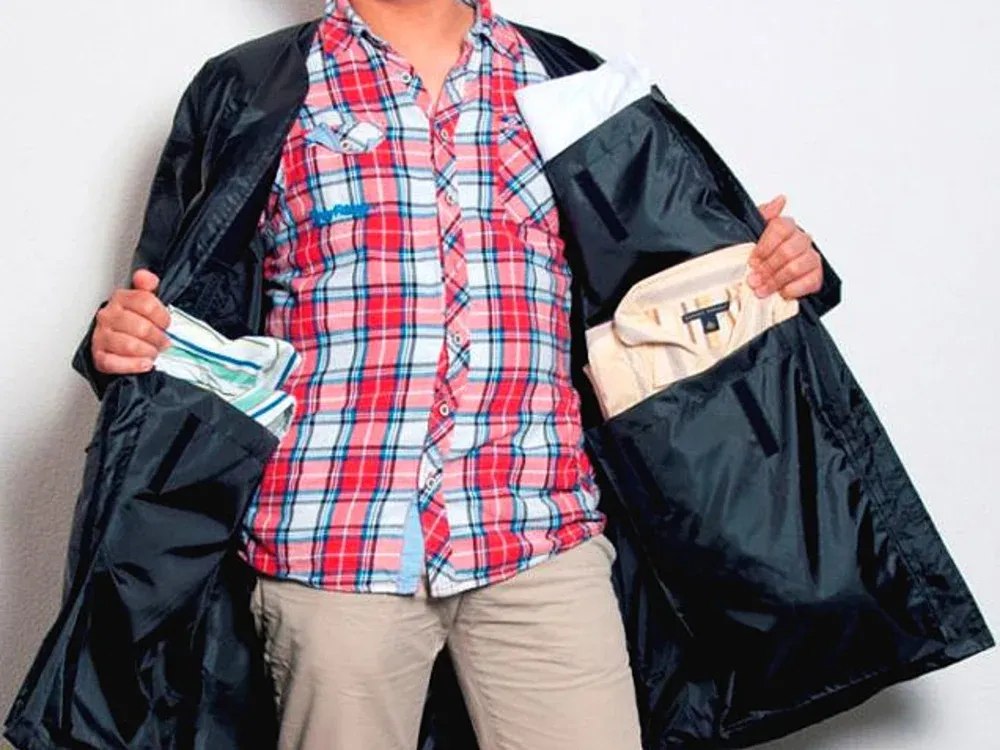
This is Aviation Economics 101. That puffy jacket, those chunky boots, that oversized scarf—wear them onto the plane instead of sacrificing precious bag real estate. Minimalist packing experts emphasize this as non-negotiable: your body is free cargo space. Bonus tip: stuff your jacket pockets with your phone battery bank, wallet, or other small essentials before boarding. You've just created wearable storage.
4. The Stuffable Neck Pillow Hack
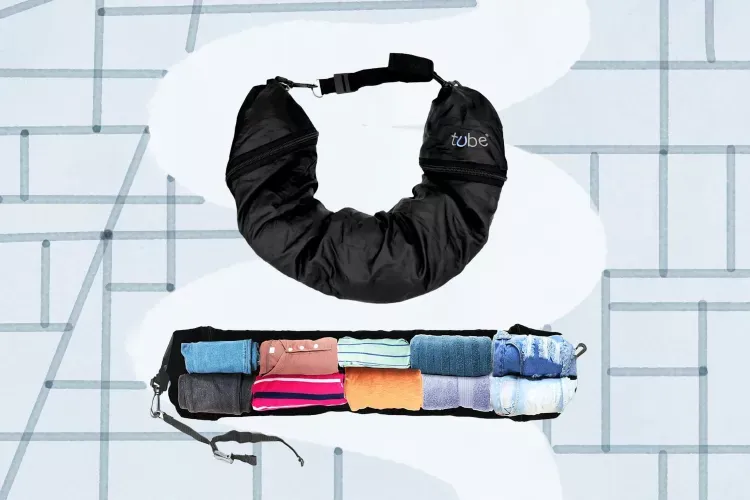
Here's where things get clever. Grab a flat, compressible neck pillow cover (around $6-10 on Amazon) and stuff it with 5-6 t-shirts. You've just created dual-purpose gear: neck support for your flight and hidden clothing storage that doesn't count against your personal item dimensions. Savvy travelers have been using this trick for years, and it's available in multiple colors to match your aesthetic.
5. The One-Cable Revolution
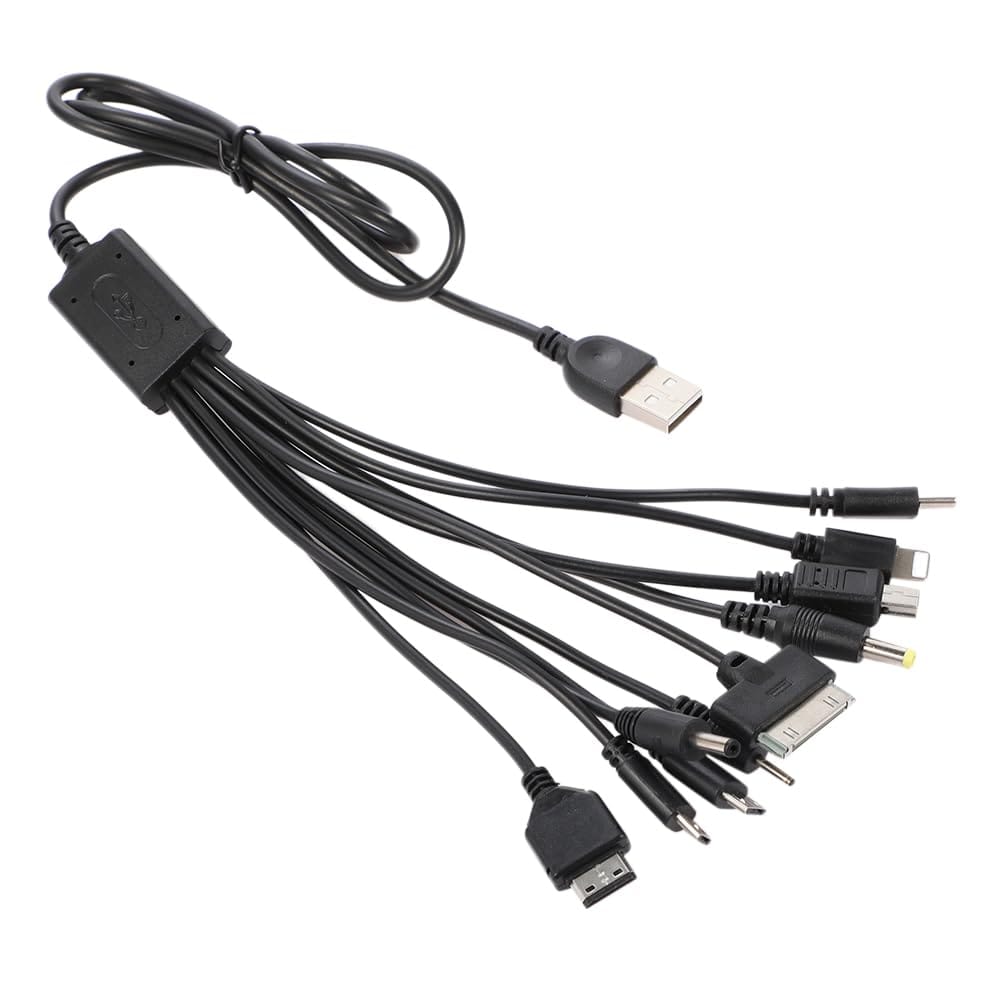
Stop packing six different chargers like it's 2019. Universal cables with swappable magnetic adapters (USB-C, Lightning, Micro-USB) run about $10-15 on Amazon and collapse your charging ecosystem into a single, elegant solution. Travel hackers in 2026 point out this is especially crucial for shared hotel or cruise outlets where space is premium.
The Ultimate Personal Item Bag Selection
Your bag is your foundation—choose wrong and the entire system collapses. Pack Hacker's experts have tested dozens, and here are the standouts that actually fit airline sizers while maximizing internal organization:
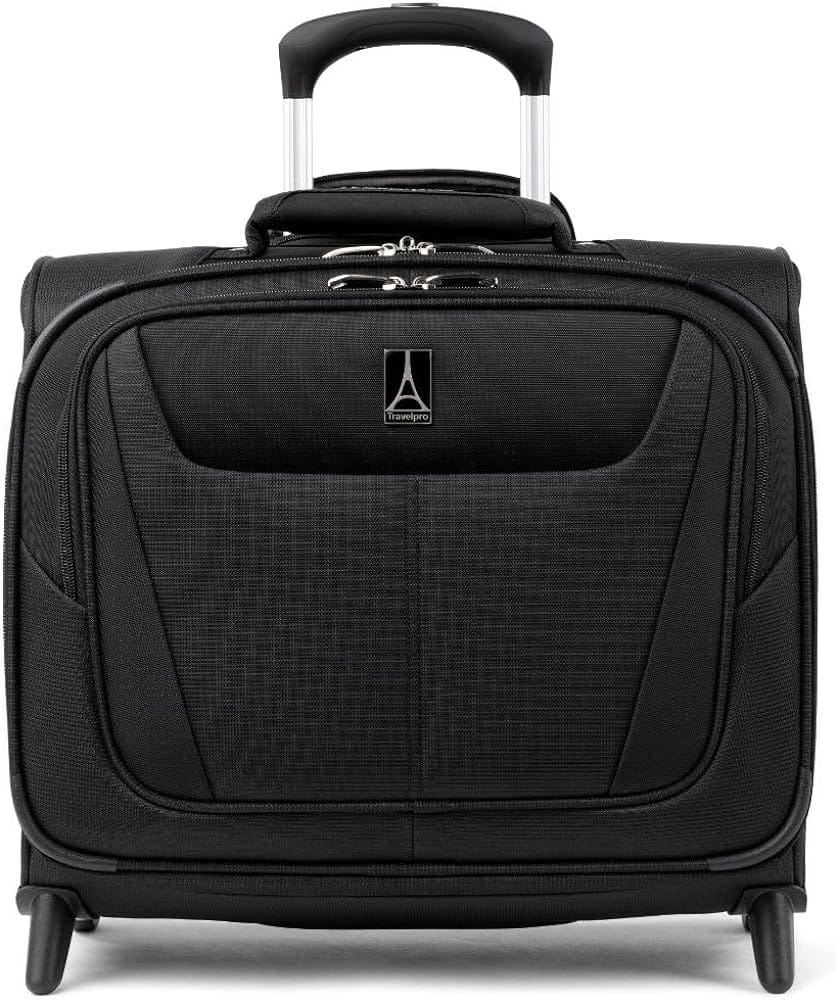
- Travelpro Maxlite 5 Rolling Underseat Bag: Three external pockets for instant access to snacks, headphones, and wallet. It mimics larger bag functionality in a compact, under-seat compliant size. Perfect if you prefer rolling over carrying.
- TOM BIHN (with Organizer Cubes): Five front pockets, modular loops for pouches, and independent compartment access. Reviewers love the customizable organization that lets you access gear without unpacking everything.
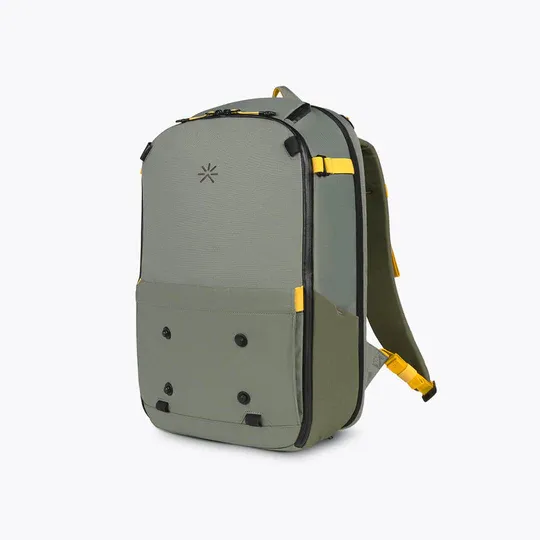
- Tropicfeel Hive Backpack: Features magnetic FidLock attachment points for modular pouches and toiletry bags. Comes in fun colors and stays lean enough for even strict airline enforcers. Just don't overload it.
If you're on a tight budget, look for generic under-seat backpacks on Amazon in the $25-40 range with laptop compartments and multiple organizational pockets. The key specs: roughly 18" x 14" x 8" maximum dimensions.
The Amazon Under-$10 Essentials Storefront
Here's the insider knowledge most travelers miss: Amazon's travel essentials under $10 category is a goldmine if you know what to search for. Skip the algorithm's promoted junk and hunt specifically for:
- Compression packing cubes (3-piece sets): $8-12
- TSA-approved toiletry bottles (silicone, leakproof): $7-9
- Microfiber quick-dry towels: $6-10
- Universal travel adapters with USB ports: $9-12
- Collapsible water bottles: $8-10
- Cable organizer pouches: $5-8
Total investment for these essentials? Around $45-60. Combine them with a $30-40 personal item bag and you're fully equipped for under $100—often under $50 if you already own a suitable bag.
The Expert's Final Protocol
Minimalist travel veterans recommend this test: pack everything you think you need, then force yourself to fit it into a bag one size smaller. This brutal exercise reveals what's truly essential versus what's "nice to have." For most trips under two weeks, you'll discover you need far less than you think.
The Patagonia Nanopuff jacket gets constant shout-outs for its warmth-to-weight ratio and packability—it compresses into nearly nothing but delivers serious insulation. At around $200 it's an investment, but Amazon often has similar synthetic insulated jackets for $40-60 that perform admirably.
Remember: strict airline sizers demand lean packing. Don't overstuff your personal item to the point where it looks like a lumpy pillow. Gate agents are wise to that move, and you'll end up checking it anyway.
Why This Matters in 2026
We're living in an era where airlines are squeezing every dollar from passengers while simultaneously making the actual flying experience more restrictive. The personal item protocol isn't just about saving money (though saving $140 per round trip is nothing to sneeze at). It's about reclaiming agency in a system designed to nickel-and-dime you at every turn.
It's about breezing through airports with confidence while everyone else sweats in baggage claim. It's about the freedom to take spontaneous weekend trips without the logistical nightmare of checked luggage. It's about arriving at your destination with everything you need and nothing you don't.
Master this protocol and you're not just saving money—you're joining the ranks of travelers who've cracked the code on modern aviation. You're traveling smarter, lighter, and with infinitely more style than the masses dragging oversized rollers through terminals.
The one-bag grail isn't about deprivation. It's about liberation. And it costs less than a single checked bag fee to achieve.