This Luxe Carry-On Hack Lets You Skip Checked Bag Fees For Good
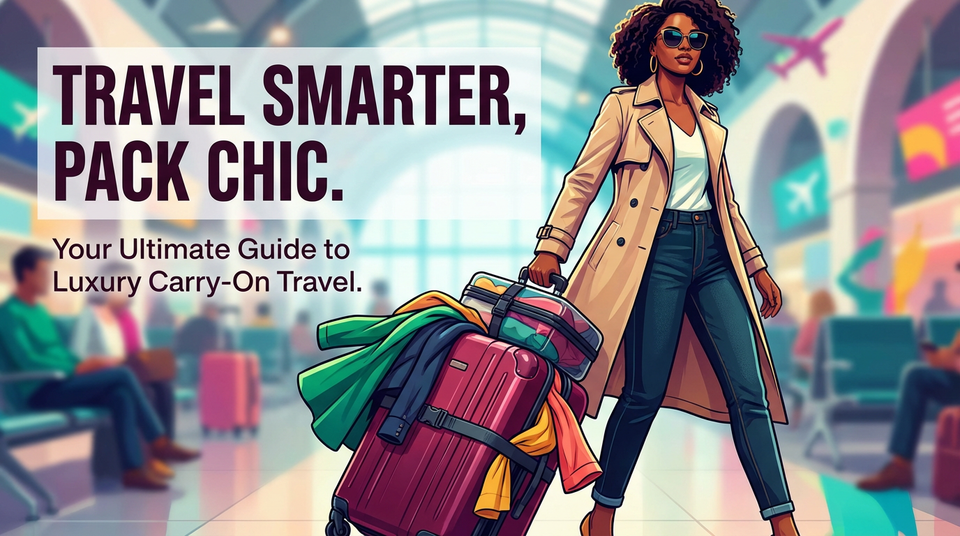
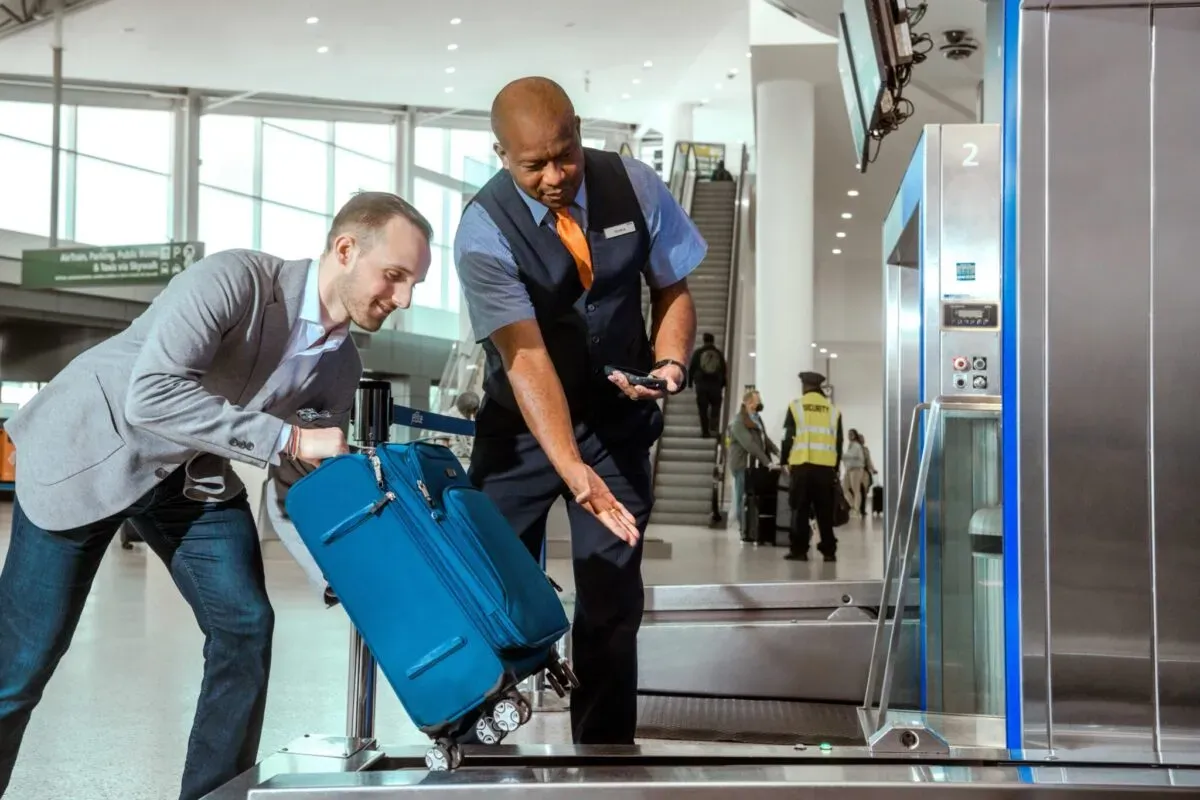
You're standing at the airline check-in counter, credit card already out, watching the fee ticker climb to $40... $50... $75 each way. Sound familiar? What if we told you that Khloé Kardashian's go-to packing method could put an end to that ritual forever — and keep your outfits looking just as polished when you land?
Welcome to the compression cube era. It's not a gimmick, it's not a TikTok trend that fades in a week — it's a genuine shift in how savvy travelers are reclaiming their carry-on space, their style, and their sanity at 30,000 feet.
The Real Cost of Checking a Bag in 2026
Let's talk numbers, because the math is genuinely eye-opening. As of 2026, major U.S. carriers have continued raising checked baggage fees year over year. According to The Points Guy's airline baggage fee tracker, a round-trip checked bag on carriers like American, Delta, and United can run you anywhere from $70 to $150 per person. Multiply that by two travelers on four trips a year, and you're looking at potentially $1,200 quietly disappearing from your travel budget — money that could have funded an extra night at that boutique hotel in Lisbon.
According to data highlighted by NerdWallet, U.S. airlines collectively rake in billions annually from baggage fees alone. Travelers are funding an entire revenue stream, often out of habit rather than necessity. The carry-on-only lifestyle isn't just a flex — it's a financial strategy.
Enter: The Compression Cube Method (Yes, Khloé Approves)
Khloé Kardashian has been vocal about her meticulous packing style — a woman who travels with intention and arrives looking like she just stepped off a private jet (sometimes she has, but that's beside the point). Her secret weapon? Compression packing cubes, which she has referenced in social media content and interviews as a non-negotiable part of her travel routine.
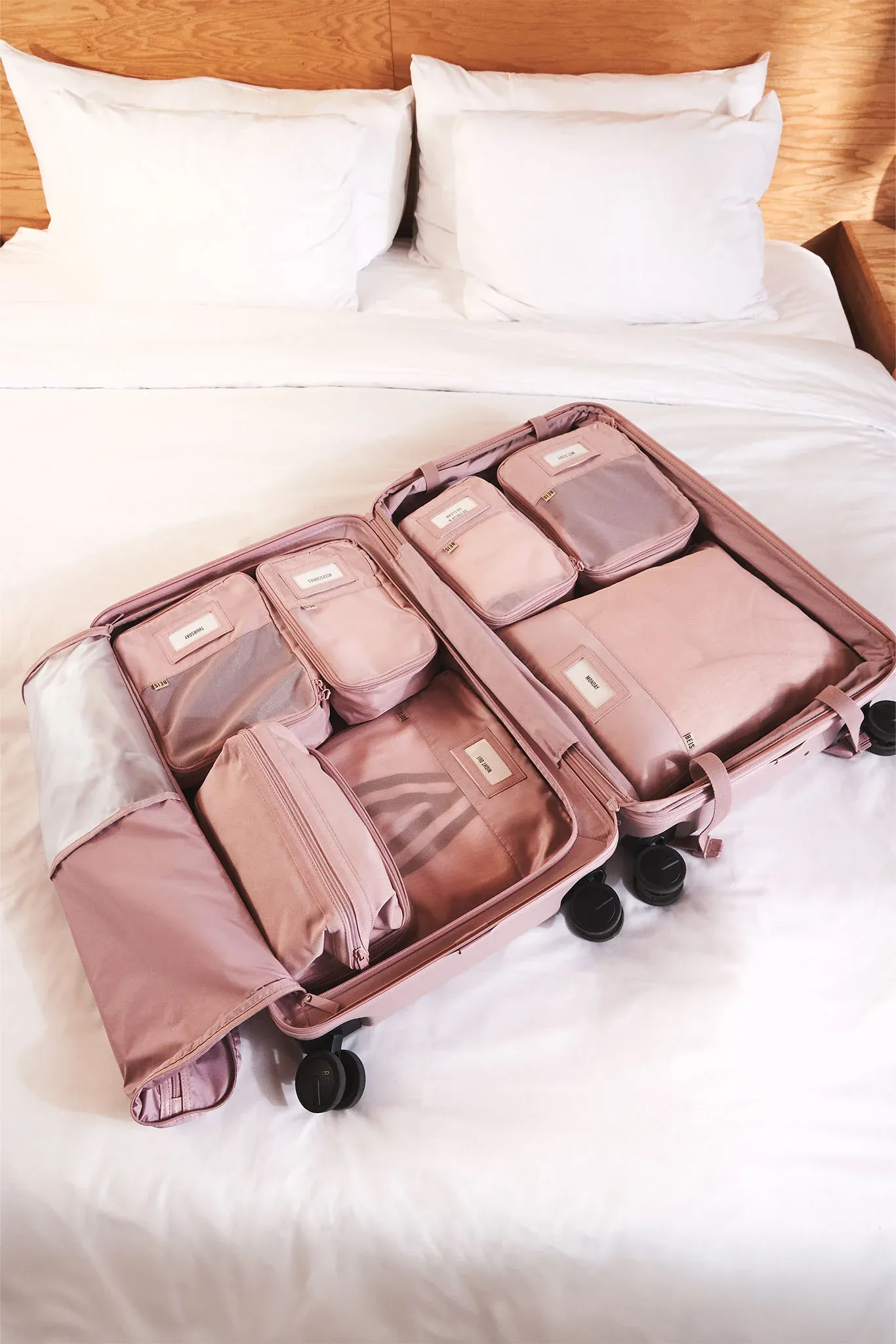
The concept is elegantly simple: compression cubes are zippered fabric organizers that allow you to pack clothes in neat bundles, then compress them down by 60% or more using a secondary zip. What would have filled a 28-inch checked bag can, with the right technique, fit neatly into a carry-on. As reviewed extensively by Wirecutter, compression cubes don't just save space — they fundamentally change the logic of how you pack.
The Science of Packing Smarter
Here's what actually happens inside a compression cube that makes it so effective. Traditional folding traps air between layers of fabric. Compression cubes force that air out through a one-way valve or a tight secondary zipper, essentially vacuum-sealing your clothes without the need for a vacuum. Testers at Travel + Leisure found that top-performing compression cubes can reduce clothing volume by up to 60%, with the best results coming from rolling clothes before placing them inside — a technique that also dramatically reduces wrinkles.
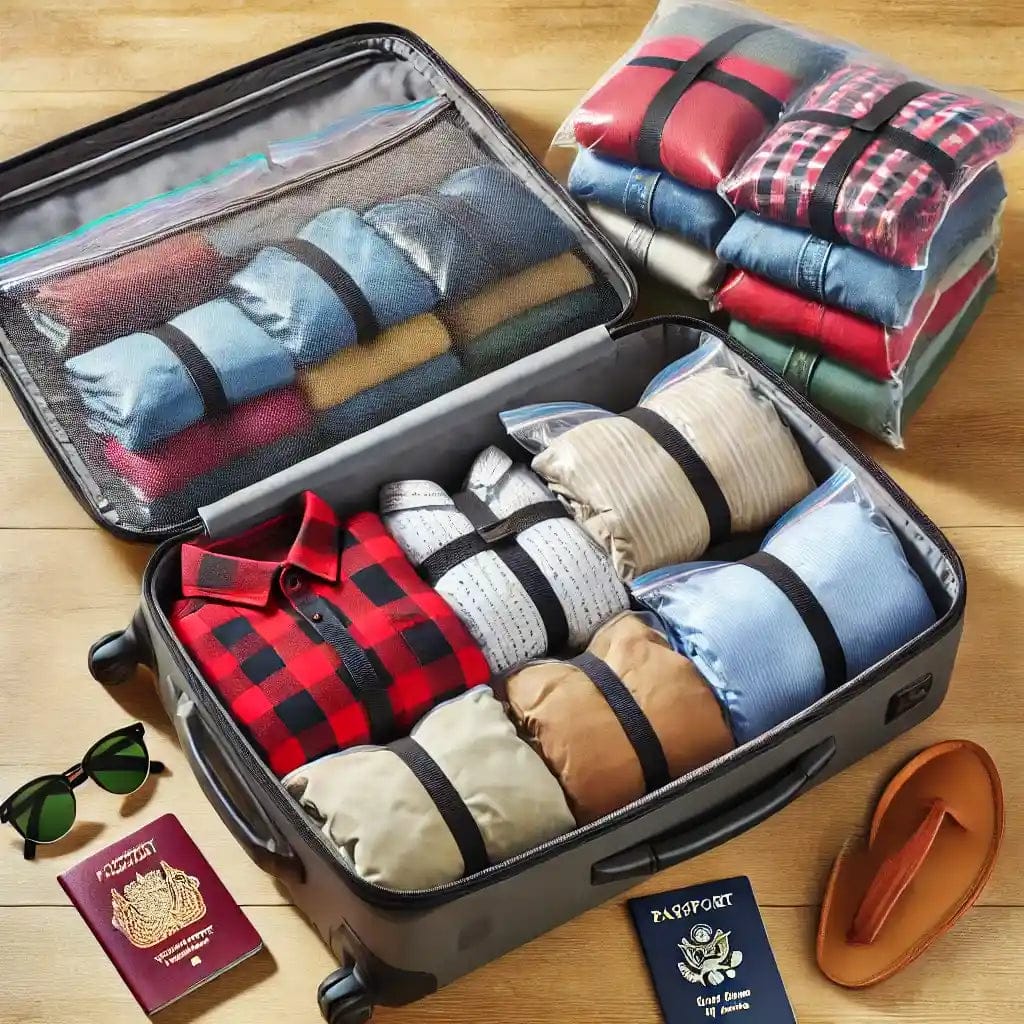
The rolling method, often called the Ranger Roll (borrowed from military packing techniques), combined with compression cubes is the one-two punch that frequent flyers swear by. Roll your items tightly, stack them vertically in the cube, compress, and suddenly a week's worth of outfits fits in a space you didn't think possible.
Which Compression Cubes Are Actually Worth It?
Not all cubes are created equal, and this is where the "luxe" part of the hack matters. Cheap cubes can fail at the zipper, lose their compression quickly, or be made from materials that snag delicate fabrics. Here are the options that have earned consistent praise from travel editors and frequent flyers alike:
- Eagle Creek Pack-It Reveal Compression Cubes — A perennial favorite cited by Condé Nast Traveler for their durability and reliable compression. The dual-zip system is genuinely satisfying to use.
- Away Insider Packing Cubes — Designed to fit perfectly inside Away carry-ons (though they work with any bag), these are sleek, minimal, and made from recycled materials. A strong choice for the aesthetics-first traveler.
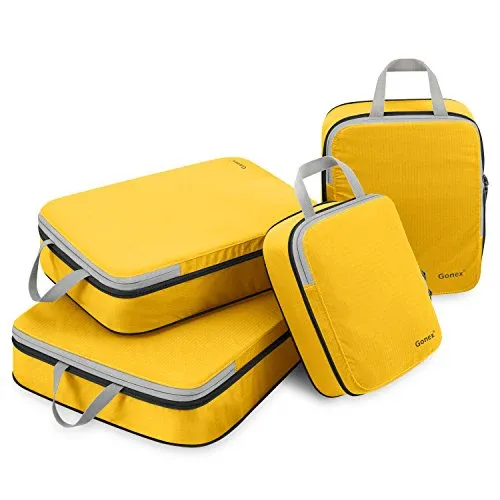
- Gonex Compression Packing Cubes — The best-value option that travel bloggers consistently recommend for travelers who want performance without the premium price tag, as noted in roundups by The Points Guy.
- Tortuga Compression Cubes — Built specifically for carry-on travel, these cubes are designed with the overhead bin in mind and have a loyal following among digital nomads and business travelers.
How to Actually Pack a Week Into a Carry-On
Here is the method that works, broken down without the fluff:
- Start with a capsule wardrobe mindset. Choose a color palette of three to four tones so every piece works with every other piece. This is the single biggest space-saver that has nothing to do with the cubes themselves.
- Roll, don't fold. Roll every item as tightly as possible before it goes into the cube. T-shirts, jeans, dresses — everything gets rolled.
- Use one cube per category. Tops in one, bottoms in another, undergarments and socks in a third. This keeps you organized at your destination and makes security screening a breeze.
- Wear your bulkiest items on the plane. Jeans, boots, a structured blazer — wear them, don't pack them. This is the oldest trick in the carry-on playbook and it still works every single time.
- Use your personal item strategically. Most airlines allow a personal item in addition to your carry-on. A structured tote or a slim backpack can hold your shoes (in a dust bag), toiletries, and tech, freeing your carry-on entirely for clothing cubes.
The Bigger Picture: Why This Matters Beyond the Hack
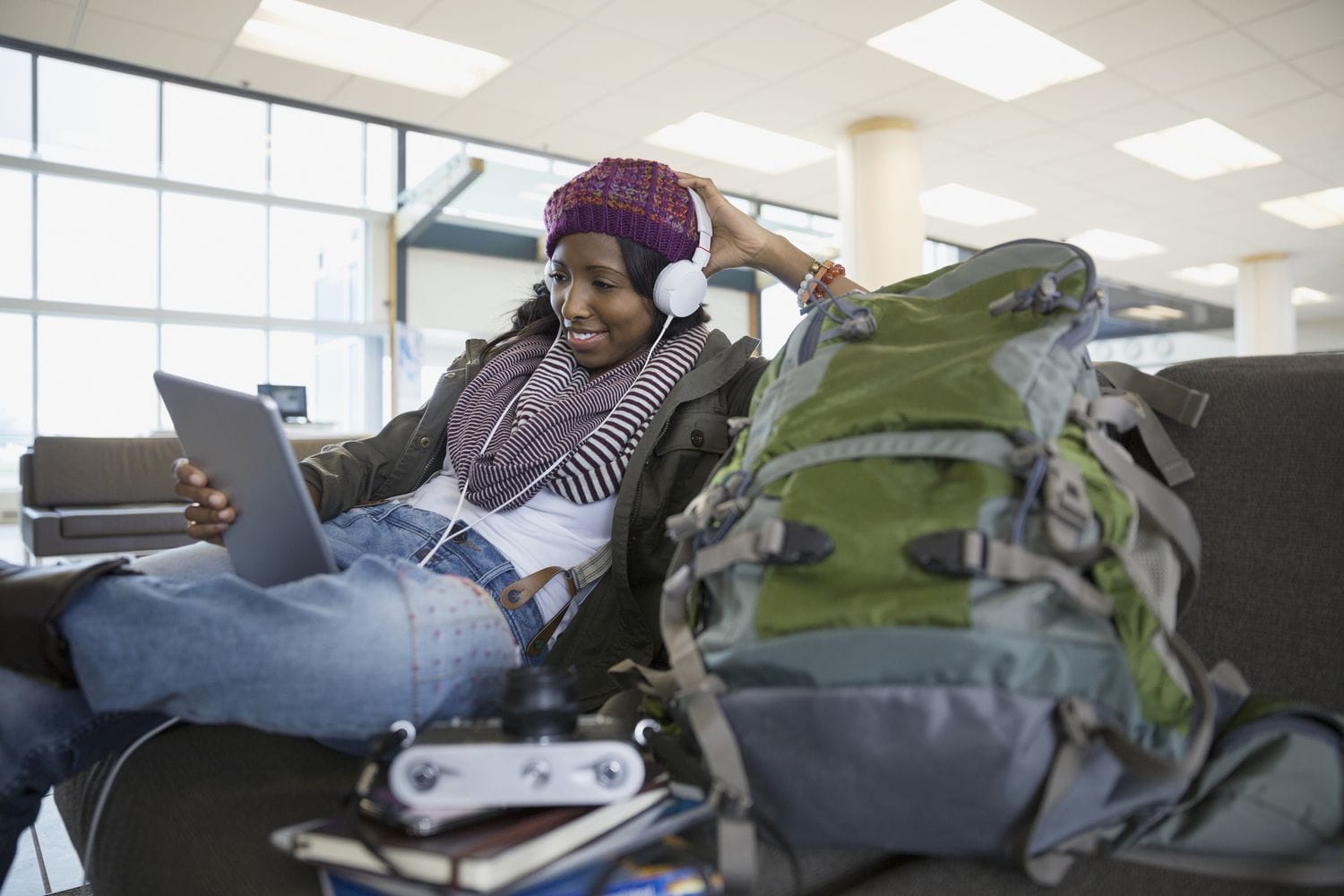
There's something worth sitting with here. The compression cube trend isn't just about saving money — though saving $600 to $1,200 a year is nothing to dismiss. It's about a broader shift in travel culture toward intentionality. Traveling light is traveling free. You move faster through airports, you're not at the mercy of baggage claim carousels, and you never have to worry about an airline losing your luggage again.
It's also, quietly, a more sustainable way to travel. Lighter planes burn less fuel. Less checked baggage infrastructure means a smaller operational footprint. The carry-on lifestyle aligns with a growing awareness among travelers that how we move through the world has consequences beyond our own convenience.
And yes, there's a certain democratizing power in it too. The compression cube hack doesn't care whether you're flying first class or economy. It gives every traveler — regardless of budget — access to a more seamless, more stylish, more intentional way to move through the world. Even Khloé Kardashian, who could absolutely afford to check seventeen bags on every trip, chooses not to. That tells you something.
The Bottom Line
Compression cubes are one of those rare travel investments that pay for themselves on the very first trip. A quality set will run you $30 to $80 — less than a single checked bag fee on most major carriers. From there, every trip you take carry-on only is money back in your pocket and minutes back in your day.
Pack smarter. Travel lighter. Arrive looking like you have it all figured out — because with this hack, you actually do.