Would You Actually Wear Samsung's New Smart Glasses?

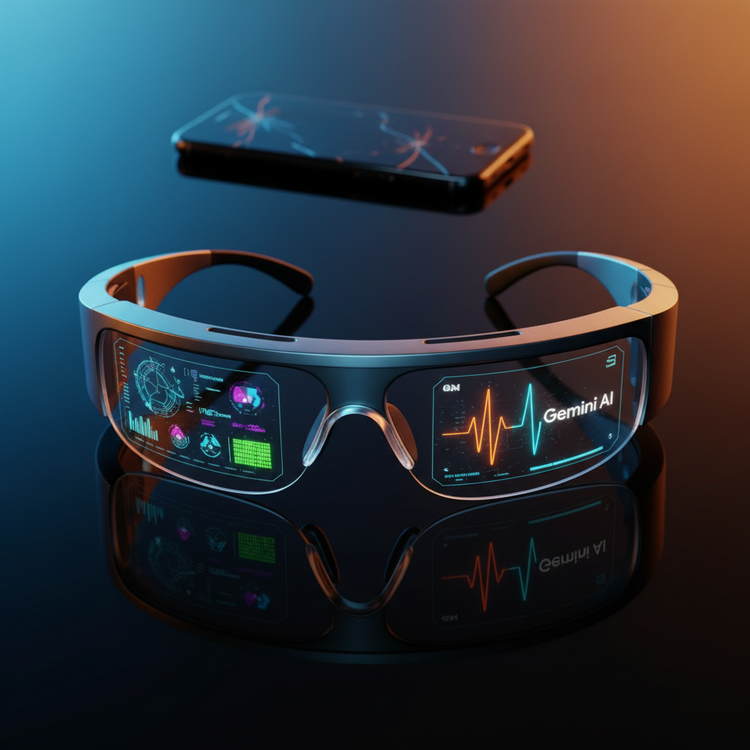
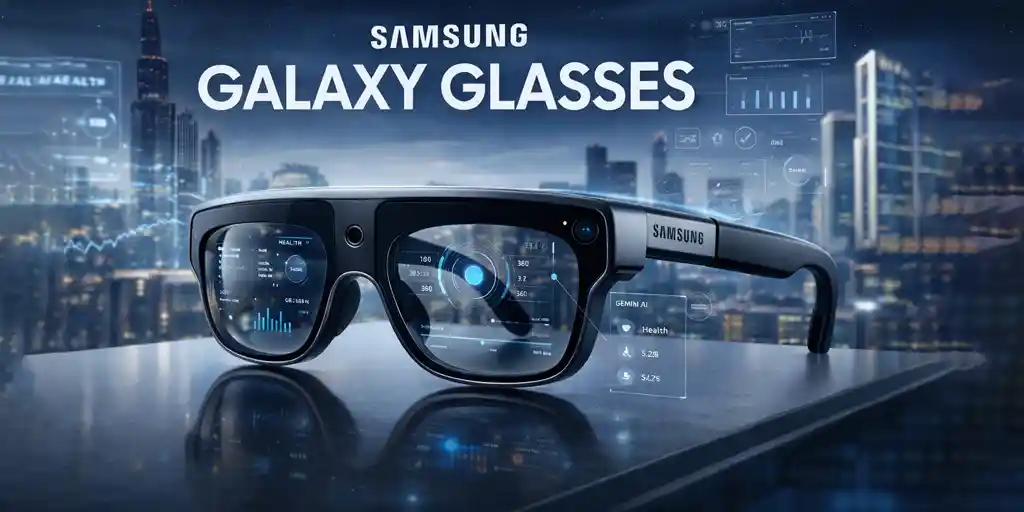
You gotta have these, or at least, you will if Samsung actually pulls off the engineering feat they are promising. For years, the smart glasses market has been trapped in a cycle of "cyborg" aesthetics: bulky, heavy, and frankly, embarrassing to wear in public. But the latest leaks regarding the Samsung Galaxy Glasses (codenamed Jinju) suggest we are finally moving past the gimmick phase and into something genuinely wearable.
The End of the Cyborg Look
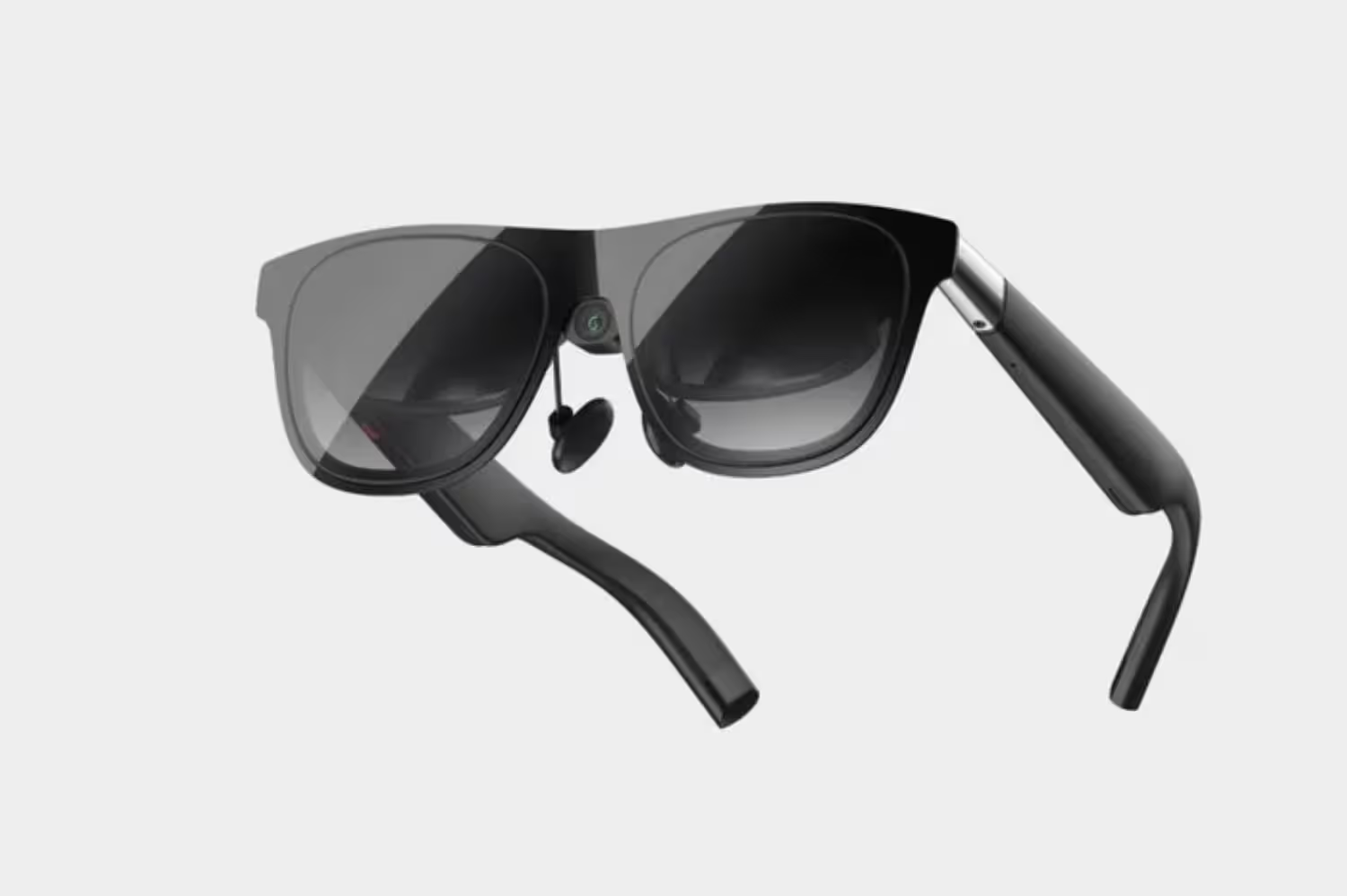
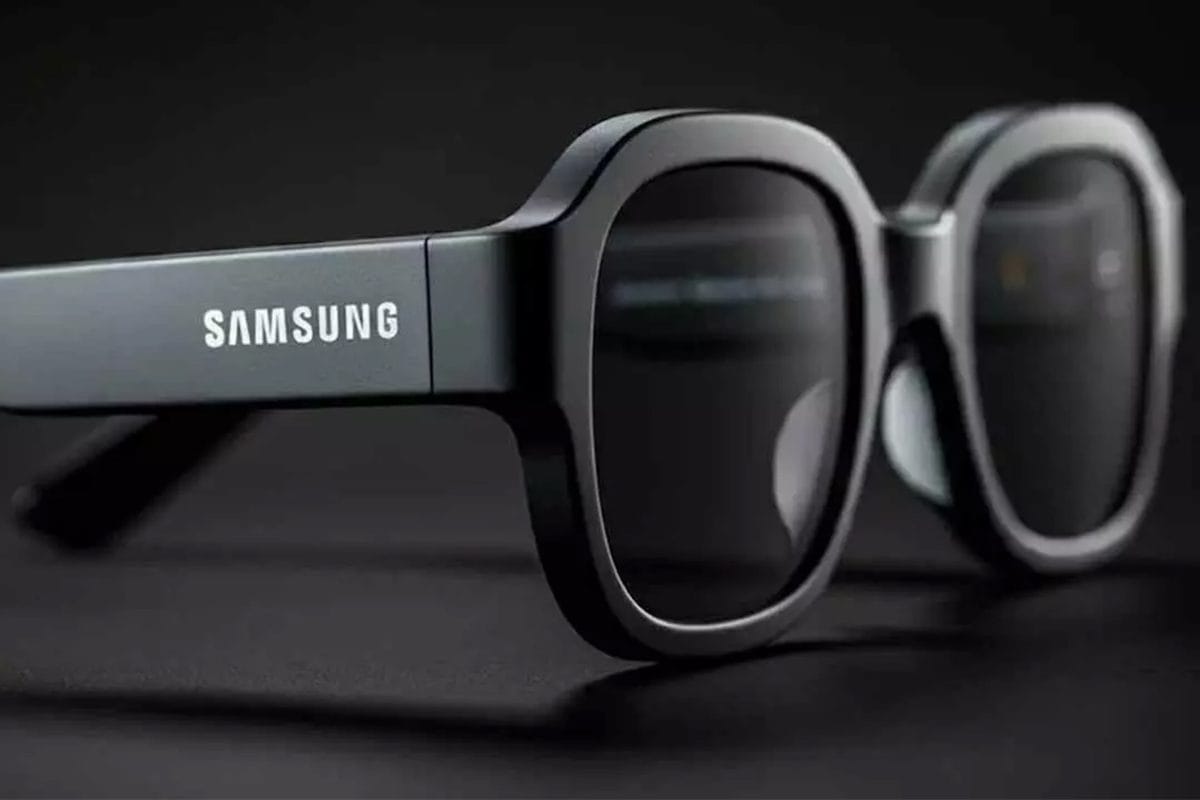
The primary pain point with wearable tech has always been the trade-off between utility and social acceptability. We want the data, but we do not want to look like we are wearing a VR headset on our faces while buying groceries. According to leaked images from 9to5Google, Samsung is pivoting toward a slim, Wayfarer-style frame that weighs approximately 50g. This is a massive shift toward the "lifestyle" integration we have seen with the Ray-Ban Meta series, but with a much more aggressive hardware spec sheet.
Hardware Deep Dive: Specs That Matter
If the rumors hold true, Samsung is not just copying Meta; they are attempting to out-spec them. While the Ray-Ban Meta glasses are excellent for casual capture, the Galaxy Glasses are rumored to feature a 12MP Sony IMX681 autofocus camera. Autofocus in a frame this slim is a significant engineering hurdle, but it would solve the biggest issue with current smart glasses: blurry, "disposable" looking media.
- Processor and AI: Running on Android XR with deep integration for Google Gemini, these glasses aim to be an ambient computing device rather than just a camera.
- Audio: Instead of traditional speakers that leak sound to everyone in the room, Samsung is reportedly leaning into bone-conduction technology for a more private, immersive experience.
- Battery Life: With a 245mAh battery, we are looking at a 6 to 8 hour window. It is not a marathon runner, but for a device meant to supplement your smartphone, it hits the necessary threshold.
As noted in Android Central, this is a direct shot at Meta's crown, leveraging the Google/Samsung/Android ecosystem to create a seamless handoff between your phone and your eyewear.
The Verdict: Game-Changer or Just Another Accessory?
The real question is whether the lack of a display is a limitation or a feature. By focusing on the "Jinju" model—which is display-less—Samsung is betting that users want an AI assistant and a high-end camera, not a tiny, low-resolution screen floating in their field of vision. If they can master the weight and the thermal management of that 12MP sensor, this could be the first time smart glasses actually replace a component of your daily carry.
However, I remain skeptical about the battery longevity when running Gemini AI continuously. If these become a heavy drain on your digital life, they will end up in a drawer next to your smart ring. But if Samsung delivers on the 50g form factor, the fashion barrier is officially broken.